Blog

  • Testen Irwin: Beliebte sichere Zahlungsmethoden im Online Casino

    Die Welt des Online Glücksspiels erfreut sich immer größerer Beliebtheit, doch für viele Spieler ist die Sicherheit ihrer Einzahlungen ein zentrales Anliegen. Glücklicherweise haben moderne Casinos ein umfassendes System an Zahlungsmethoden etabliert, das sowohl Sicherheit als auch Komfort bietet. Wenn Sie sich für das Spielen in einem Online Casino entscheiden, sollten Sie wissen, welche Optionen Ihnen zur Verfügung stehen und wie diese Ihre Transaktionen schützen. Viele Plattformen bieten heutzutage sichere Zahlungsmethoden an, die den Spielern die Gewissheit geben, dass ihre finanziellen Daten geschützt sind. Es ist ratsam, sich über die besten Optionen zu informieren, bevor Sie sich für einen Anbieter entscheiden. Für viele Spieler stellt die Suche nach dem perfekten Online Casino eine aufregende Herausforderung dar, besonders wenn es um die Auswahl der Zahlungsmethoden geht. Ein guter Anbieter sollte nicht nur ein breites Spielangebot, sondern auch vielfältige und sichere Zahlungsoptionen bieten. Es gibt zahlreiche migliori siti scommesse, die ihre Kunden mit modernen und geschützten Zahlungssystemen ausstatten. Erfahrungsberichte zu testen Irwin liefern eine erste Orientierung im deutschen Markt. Spieler sollten stets darauf achten, dass die von ihnen gewählte Plattform über eine gültige Lizenz verfügt und die neuesten Sicherheitsprotokolle einhält, um ihre Daten und Gelder zu schützen.

    Die Vielfalt der Zahlungsmethoden in Online Casinos ist beeindruckend und ermöglicht es den Spielern, die Option zu wählen, die am besten zu ihren Bedürfnissen passt. Von traditionellen Methoden wie Kreditkarten bis hin zu modernen E-Wallets und Kryptowährungen gibt es für jeden die passende Lösung. Einige Casinos bieten auch spezielle Boni für die Nutzung bestimmter Zahlungsmethoden an. Beim Erkunden der verschiedenen siti scommesse sollten Sie jedoch nicht nur nach den attraktivsten Angeboten suchen, sondern auch die Sicherheit und Zuverlässigkeit der Zahlungsoptionen berücksichtigen. Irwin Casino zum Beispiel bietet einen speziellen Irwin Willkommensbonus für neue Spieler, der oft die Nutzung einer bestimmten Zahlungsmethode beinhaltet. Es ist wichtig zu verstehen, dass verschiedene Zahlungsmethoden unterschiedliche Vor- und Nachteile haben können, was Geschwindigkeit, Gebühren und Sicherheit betrifft.

    Die Sicherheit Ihrer persönlichen und finanziellen Daten sollte bei der Wahl eines Online Casinos immer oberste Priorität haben. Seriöse Casinos nutzen modernste Verschlüsselungstechnologien, um sicherzustellen, dass alle Transaktionen und Datenübertragungen geschützt sind. Wenn Sie nach einem vertrauenswürdigen Anbieter suchen, sollten Sie nach Zertifikaten und Sicherheitsmerkmalen suchen, die auf der Webseite des Casinos angezeigt werden. Viele der migliori siti scommesse arbeiten mit renommierten Finanzinstituten zusammen, um die Sicherheit ihrer Zahlungssysteme zu gewährleisten. Es ist auch ratsam, die Nutzungsbedingungen und Datenschutzrichtlinien sorgfältig zu lesen, um sicherzustellen, dass Ihre Daten korrekt behandelt werden. Die Zusammenarbeit mit etablierten bookmaker online bietet zusätzliche Sicherheit, da diese Anbieter oft strengeren Regularien unterliegen als neuere Marktteilnehmer.
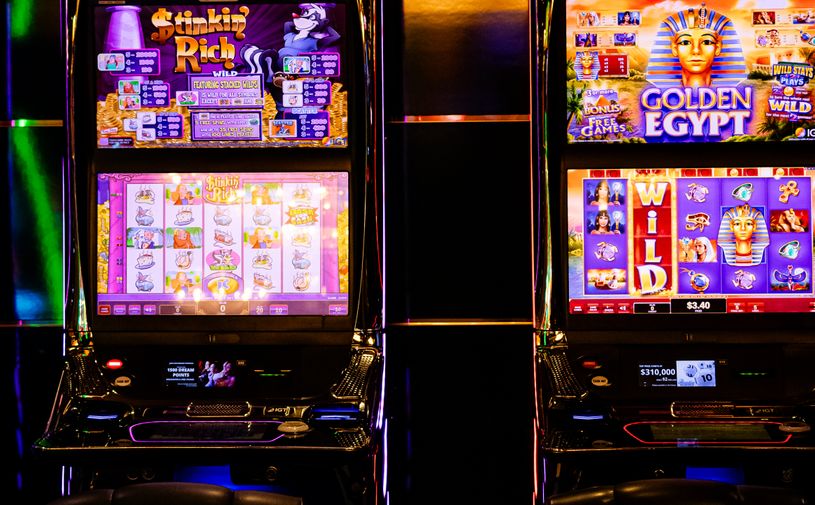
    sichere Zahlungsmethoden im Online Casino

    Beliebte sichere Zahlungsmethoden im Online Casino

    Traditionelle Zahlungsoptionen

    Zu den traditionellen Zahlungsmethoden gehören Kredit- und Debitkarten wie Visa und Mastercard. Diese Optionen sind bei den meisten Spielern sehr beliebt, da sie weit verbreitet und einfach zu verwenden sind. Viele Casinos akzeptieren diese Karten und bieten sofortige Einzahlungen. Allerdings kann die Auszahlung mit Kreditkarten länger dauern. Es gibt auch einige siti scommesse, die spezielle Bonusangebote für die Nutzung von Kreditkarten anbieten. Ein weiterer klassischer Weg ist die Banküberweisung, die besonders für höhere Beträge geeignet ist. Diese Methode ist jedoch langsamer als andere Optionen und kann höhere Gebühren verursachen. Trotzdem ist sie bei vielen Spielern beliebt, die den direkten Kontakt zu ihrer Bank bevorzugen.

    Digitale Wallets und E-Wallets

    Digitale Wallets wie PayPal, Skrill und Neteller sind bei Online-Casino-Spielern äußerst beliebt, da sie schnelle und sichere Transaktionen bieten. Diese Dienste fungieren als Mittelsmann zwischen Ihrem Bankkonto und dem Casino, sodass Ihre finanziellen Daten nicht direkt mit dem Casino geteilt werden. Viele siti scommesse online bieten exklusive Boni für die Nutzung von E-Wallets an. Die Ein- und Auszahlungen sind in der Regel sofort, was es den Spielern erleichtert, ihr Geld schnell verfügbar zu haben. Zudem bieten E-Wallets zusätzliche Sicherheitsfunktionen wie Zwei-Faktor-Authentifizierung, die Ihre Konten vor unbefugtem Zugriff schützt. Bevor Sie sich für einen E-Wallet-Dienst entscheiden, sollten Sie die Gebühren und Akzeptanzraten bei verschiedenen migliori siti scommesse vergleichen.

    Die Rolle von Kryptowährungen im Online Casino

    Kryptowährungen wie Bitcoin, Ethereum und Litecoin gewinnen im Online Casino an Bedeutung, da sie schnelle, anonyme und sicherere Transaktionen ermöglichen. Diese digitalen Währungen basieren auf Blockchain-Technologie, die eine dezentrale und transparente Transaktionsführung ermöglicht. Viele moderne siti di scommesse sportive beginnen jetzt, Kryptowährungen als Zahlungsoption anzubieten, um die sich immer entwickelnde Nachfrage zu erfüllen. Ein Vorteil der Verwendung von Kryptowährungen ist die reduzierte Bearbeitungszeit, da es keine Zwischenhändler wie Banken gibt, die die Transaktionen verzögern könnten. Allerdings sollten Spieler die Volatilität von Kryptowährungen berücksichtigen und verstehen, dass der Wert ihrer Einzahlungen schwanken kann. Die Sicherheit bei Kryptotransaktionen ist in der Regel hoch, da die Blockchain-Technologie eine Manipulation der Transaktionen verhindert.

    Vergleich der wichtigsten Zahlungsmethoden

    Zahlungsmethode Einzahlungszeit Auszahlungszeit Sicherheitsniveau
    Kredit-/Debitkarte Sofort 1-3 Werktage Hoch
    PayPal Sofort 24-48 Stunden Sehr hoch
    Skrill Sofort 24-48 Stunden Sehr hoch
    Banküberweisung 1-3 Werktage 3-7 Werktage Hoch
    Bitcoin Sofort 10-60 Minuten Sehr hoch
    Prepaidkarten Sofort 1-3 Werktage Mittel

    Sicherheit und Lizenzierung bei Online Casinos

    Ein wichtiger Aspekt der Sicherheit im Online Casino ist die Lizenzierung durch anerkannte Aufsichtsbehörden. Seriöse siti scommesse erhalten Lizenzen von renommierten Organisationen wie der Malta Gaming Authority, der UK Gambling Commission oder der Gibraltar Regulatory Authority. Diese Lizenzen stellen sicher, dass das Casino bestimmte Standards in Bezug auf Sicherheit, Fairness und verantwortungsvolles Spielen einhält. Casinos mit gültigen Lizenzen sind regelmäßig Audits unterzogen und müssen strenge Sicherheitsprotokolle einhalten. Spieler sollten immer prüfen, ob ein Casino eine gültige Lizenz hat, bevor sie sich anmelden oder eine Einzahlung tätigen. Dies garantiert nicht nur die Sicherheit Ihrer Transaktionen, sondern auch die Fairness der Spiele und den Schutz Ihrer persönlichen Daten.

    Zusätzlich zur Lizenzierung nutzen Online Casinos fortschrittliche Sicherheitsmaßnahmen wie SSL-Verschlüsselung, um Ihre Daten zu schützen. Diese Technologie sichert die Übertragung zwischen Ihrem Gerät und den Casino-Servern, sodass kein Dritter auf Ihre Informationen zugreifen kann. Viele migliori siti scommesse investieren erheblich in Sicherheitsinfrastrukturen, um die Daten ihrer Kunden zu schützen und Betrug zu verhindern. Einige Casinos bieten auch Zwei-Faktor-Authentifizierung für Konten an, was eine zusätzliche Sicherheitsebene darstellt. Es ist auch wichtig, dass Casinos klare Richtlinien zum Schutz problematischer Spieler haben und Tools wie Selbstsperren und Einzahlungsgrenzen anbieten. Diese Maßnahmen tragen dazu bei,

    Häufige Fragen

    Was tun, wenn Spielen zum Problem wird?
    Sofortige Einzahlungslimits oder eine Spielsperre über OASIS setzen und Beratungsstellen wie die BZgA nutzen.

    Sind Gewinne aus dem Online Casino steuerfrei?
    In Deutschland bleiben Glücksspielgewinne für private Spieler grundsätzlich steuerfrei, weil auf Einsätze bereits Abgaben erhoben werden.

    Wie lange dauern Auszahlungen im Online Casino?
    Bei seriösen Anbietern dauert eine Auszahlung mit geprüften Zahlungsmethoden in der Regel ein bis drei Werktage.


  • Martin Online Casino: Die KYC-Verifizierung: Schritt für Schritt

    Die Registrierung und Verifizierung bei einem Online-Casino ist ein entscheidender Schritt für jeden Spieler, der sicher und legal Glücksspiel im Internet genießen möchte. Erfahrungsberichte zu Martin Online Casino liefern eine erste Orientierung im deutschen Markt. Dieser Prozess, bekannt als KYC (Know Your Customer), stellt sicher, dass alle Nutzer über 18 Jahre alt sind und ihre Identität bestätigt wird. In diesem umfassenden Leitfaden führen wir Sie Schritt für Schritt durch die Registrierung und Verifizierung bei einem Casino wie Martin Casino DE. Erfahren Sie, wie Sie schnell und ohne Komplikationen Ihr Konto eröffnen und alle erforderlichen Dokumente bereitstellen können, um unmittelbar mit dem Spielen zu beginnen.

    Online Casino: Spielautomaten und Live-Spiele im Überblick

    Die Online-Glücksspielbranche unterliegt strengeren Regulierungen als je zuvor, um Spieler zu schützen und Geldwäsche zu verhindern. Daher ist der KYC-Prozess nicht nur eine Formalität, sondern ein notwendiger Schutzmechanismus. Plattformen wie Martin Casino DE haben etablierte Verfahren, um sicherzustellen, dass alle Spieler identifiziert werden. Dieser Prozess mag zunächst komplex erscheinen, aber mit der richtigen Anleitung gestaltet er sich schnell und unkompliziert. Im Folgenden zeigen wir Ihnen genau, welche Schritte Sie unternehmen müssen, um erfolgreich verifiziert zu werden.

    Bevor Sie mit der Registrierung beginnen, ist es hilfreich, bestimmte Dokumente bereitzuhalten, um den Prozess zu beschleunigen. Denken Sie an einen gültigen Lichtbildausweis, eine aktuelle Rechnung oder einen Kontoausweis als Nachweis Ihrer Adresse, und möglicherweise eine Methode zur Bestätigung Ihrer Zahlungsmittel. Diese Vorbereitung stellt sicher, dass Sie keine Zeit bei der Überprüfung verlieren. Wenn Sie nach seriösen Plattformen suchen, die sichere Verifizierungsverfahren anbieten, könnten Sie auch Plattformen wie Martin Casino DE in Betracht ziehen, die ähnliche hohe Sicherheitsstandards pflegen.

    Der Registrierungsprozess im Detail

    Das Ausfüllen des Anmeldeformulars

    Der erste Schritt bei der Registrierung bei einem Online-Casino wie Martin Casino DE ist das Ausfüllen des Anmeldeformulars. Normalerweise finden Sie dieses auf der Startseite der Website, oft in der oberen rechten Ecke. Sie werden nach persönlichen Informationen wie Ihrem Namen, Geburtsdatum, E-Mail-Adresse und einer sicheren Passwortwahl gefragt. Wichtig ist hier, präzise und wahrheitsgemäße Angaben zu machen, da diese später mit den Verifizierungsabgleichen übereinstimmen müssen.

    Einige Casinos können zusätzliche Sicherheitsfragen stellen oder eine Zwei-Faktor-Authentifizierung anbieten, um die Sicherheit Ihres Kontos von Anfang an zu gewährleisten. Nachdem Sie alle erforderlichen Felder ausgefüllt und die Nutzungsbedingungen sowie die Datenschutzbestimmungen akzeptiert haben, klicken Sie auf die Schaltfläche “Registrieren” oder “Konto erstellen”. In der Regel erhalten Sie dann eine Bestätigungs-E-Mail, um Ihre E-Adresse zu verifizieren.

    Kontoaktivierung und Einrichtung

    Sobald Sie die Bestätigungs-E-Mail erhalten haben, in der sich ein Bestätigungslink befindet, klicken Sie darauf, um Ihr Konto endgültig zu aktivieren. Dieser Schritt ist wichtig, um sicherzustellen, dass Sie wirklich der Inhaber der E-Mail-Adresse sind und gefälschte Konten verhindert werden. Nach der Aktivierung werden Sie möglicherweise aufgefordert, Ihr Konto weiter zu personalisieren, indem Sie eine Währung auswählen und Ihre Kontaktdaten vervollständigen.

    Einige Casinos bieten auch die Möglichkeit, persönliche Einstellungen vorzunehmen, wie bevorzugte Sprachen oder Kommunikationinstellungen. Es ist ratsam, diese Optionen sorgfältig zu durchgehen, um Ihre Spielerfahrung von Anfang an optimal zu gestalten. Nach Abschluss dieser Einrichtung ist Ihr Konto technisch gesehen bereit, aber die vollständige Verifizierung steht noch bevor, bevor Sie Auszahlungen vornehmen können.

    Die KYC-Verifizierung: Schritt für Schritt

    Identitätsnachweise vorbereiten

    Die KYC-Verifizierung erfordert die Vorlage von Dokumenten, die Ihre Identität bestätigen. Typischerweise akzeptieren Online-Casinos einen gültigen Personalausweis oder Reisepass. Stellen Sie sicher, dass der Ausweis nicht abgelaufen ist und alle Informationen klar lesbar sind. Es kann erforderlich sein, Fotos oder Scans sowohl der Vorder- als auch der Rückseite zu erstellen.

    Zusätzlich zum Identitätsnachweis benötigen Sie einen Adressnachweis. Dies kann eine aktuelle Strom- oder Wasserrechnung, eine Kontoauszugs oder ein offizielles Schreiben einer Behörde sein. Das Dokument sollte Ihren Namen und Ihre vollständige Adresse enthalten und nicht älter als drei Monate sein. Einige Casinos akzeptieren auch digitale Bankauszüge, wenn sie Ihre Informationen deutlich zeigen. Bereiten Sie diese Dokumente digital vor, idealerweise als PDF oder JPG-Dateien, deren Größe innerhalb der vom Casino vorgegebenen Grenzen liegt.

    Dokumente hochladen und Überprüfung

    Nachdem Sie alle notwendigen Dokumente vorbereitet haben, navigieren Sie in Ihrem Konto zum Bereich “Verifizierung” oder “KYC”. Hier finden Sie die Möglichkeit, Ihre Dateien hochzuladen. Befolgen Sie die Anweisungen sorgfältig und laden Sie jede Datei separat hoch. Einige Casinos bieten die Möglichkeit, Fotos direkt mit Ihrem Smartphone aufzunehmen, was den Prozess beschleunigen kann.

    Nach dem Upload prüft das Casino-Team Ihre Dokumente normalerweise innerhalb von 24 bis 48 Stunden. In manchen Fällen kann dieser Prozess länger dauern, besonders wenn das Casino ein hohes Aufkommen von Verifizierungen hat. Sie werden per E-Mail benachrichtigt, sobald die Überprüfung abgeschlossen ist. Wenn Dokumente ungültig oder unleserlich sind, werden Sie gebeten, neue Bereitstellungen vorzunehmen. Es ist wichtig, geduldig zu bleiben und alle Anweisungen des Supports zu befolgen, um Verzögerungen zu vermeiden.

    Dokumenttyp Geeignete Beispiele Gültigkeitszeitraum
    Identitätsnachweis Personalausweis, Reisepass, Führerschein Nicht abgelaufen
    Adressnachweis Stromrechnung, Kontoauszug, Meldebescheinigung Maximal 3 Monate alt
    Zahlungsmittel-Nachweis Kreditkarte, Bankkontoauszug, E-Wallet-Transaktion Kürzliche Transaktion
    Verifizierungsformulare Selbstausfüllbare Formulare vom Casino Korrekt ausgefüllt
    Steuernachweise Einkommensnachweise bei größeren Gewinnen Aktuell

    Tipps für eine reibungslose Verifizierung

    Um sicherzustellen, dass die Verifizierung schnell reibungslos verläuft, beachten Sie einige wichtige Tipps. Stellen Sie sicher, dass alle Dokumente, die Sie hochladen, hell und deutlich sind, ohne Blendungen oder Schatten. Verwenden Sie idealerweise ein gutes Smartphone oder einen Scanner für die Aufnahmen. Lesen Sie vor dem Upload alle vom Casino bereitgestellten Richtlinien bezüglich Dateiformaten und Größen.

    Kommunizieren Sie proaktiv mit dem Support, wenn Sie Unklarheiten haben oder Probleme beim Hochladen auftreten. Die meisten Casinos haben einen schnellen Kundenservice, der gerne bei Fragen zur Verifizierung hilft. Es ist auch ratsam, den Status Ihrer Verifizierung regelmäßig zu überprüfen, um schnell zu reagieren, falls das Casino zusätzliche Informationen benötigt. Geduld ist wichtig, da einige Dokumente genau überprüft werden müssen, um die Einhaltung der Vorschriften sicherzustellen.

    Warum ist die Verifizierung wichtig?

    Die KYC-Verifizierung dient mehreren wichtigen Zwecken in der Glücksspielbranche. Erstens schützt sie Minderjährige davor, an Online-Glücksspielen teilzunehmen, indem sie das Alter der Spieler bestätigt. Zweitens hilft sie bei der Verhinderung von Geldwäsche und betrügerischen Aktivitäten, indem sie sicherstellt, dass reale Personen hinter den Konten stehen. Für Spieler selbst bietet der Prozess zusätzliche Sicherheit, da Ihre Daten und Gelder besser geschützt sind.

    Ein weiterer Vorteil der Verifizierung ist die schnelle Bearbeitung von Auszahlungen. Sobald Ihre Identität bestätigt ist, können Sie Gewinne ohne weitere Verzögerungen auf Ihr Konto überweisen. Ein verifiziertes Konto ist auch ein Zeichen für Vertrauenswürdigkeit, was bedeutet, dass Sie bei Problemen oder Fragen einen bevorzugten Support erhalten.

    Häufige Fragen

    Was tun, wenn Spielen zum Problem wird?
    Sofortige Einzahlungslimits oder eine Spielsperre über OASIS setzen und Beratungsstellen wie die BZgA nutzen.

    Sind Gewinne aus dem Online Casino steuerfrei?
    In Deutschland bleiben Glücksspielgewinne für private Spieler grundsätzlich steuerfrei, weil auf Einsätze bereits Abgaben erhoben werden.

    Wie lange dauern Auszahlungen im Online Casino?
    Bei seriösen Anbietern dauert eine Auszahlung mit geprüften Zahlungsmethoden in der Regel ein bis drei Werktage.

  • Lizaro: Live-Casino-Poker: Das authentische Spielerlebnis

    Die Welt des Online-Glücksspiels bietet eine faszinierende Vielfalt an Spielen, darunter auch die beliebten Pokervarianten. Während traditionelles Poker oft in echten Casinos gespielt wird, hat sich Video-Poker als eine praktische und zugängliche Alternative im digitalen Raum etabliert. Im Vergleich zu anderen Casino-Poker-Varianten bietet Video-Poker einen Mix aus Glück und strategischem Denken, der viele Spieler fasziniert. Wer nach einem unterhaltsamen Spiel sucht, das sowohl Anfängern als auch erfahrenen Spielern gefallen kann, sollte sich die verschiedenen Poker-Varianten im Online-Casino genauer ansehen. Egal, ob man die klassischen Spielautomaten oder moderne Variationen bevorzugt, die Auswahl ist riesig und für jeden Geschmack etwas dabei. Wenn Sie mehr über die besten Plattformen erfahren möchten, können Sie bei einer umfassenden Bewertung von Lizaro nachschauen.

    Online Casino: Spielautomaten und Live-Spiele im Überblick

    Video-Poker: Die digitale Evolution des klassischen Spiels

    Was ist Video-Poker?

    Video-Poker ist eine elektronische Variante des traditionellen Pokerspiels, die in Online-Casinos angeboten wird. Anstatt gegen menschliche Gegner zu spielen, tritt der Spieler gegen eine computergesteuerte Maschine an. Ziel des Spiels ist es, die bestmögliche Pokerhand aus fünf Karten zu bilden. Spieler erhalten zunächst fünf Karten und können einige oder alle dieser Karten behalten oder ersetzen, um ihre Hand zu verbessern. Diese einfache Regel macht Video-Poker zugänglich für Anfänger, während die strategischen Elemente erfahrene Spieler fordern.

    Beliebte Video-Poker-Varianten

    Es gibt zahlreiche Video-Poker-Varianten, die sich durch ihre Regeln und Auszahlungsstrukturen unterscheiden. Zu den beliebtesten gehören Jacks or Better, Deuces Wild, Joker Poker und Double Bonus Poker. Wer gezielt nach aktuellen Angeboten sucht, findet bei Lizaro einen guten Ausgangspunkt. Jede Variation bietet einzigartige Herausforderungen und Gewinnmöglichkeiten. Jacks or ist eine der grundlegendsten Varianten, bei der mindestens ein Paar Buben erforderlich ist, um eine Gewinnauszahlung zu erhalten. Deuces Wild hingegen macht alle Zweien zu Wild Cards, was die Gewinnchancen erheblich erhöht. Die Vielfalt an Varianten stellt sicher, dass Spieler immer neue Herausforderungen finden können.

    Live-Casino-Poker: Das authentische Spielerlebnis

    Live-Poker im Online-Casino

    Live-Casino-Poker bietet die Möglichkeit, das echte Casino-Feeling direkt von Zuhause aus zu erleben. Dabei werden Spiele per Video-Stream übertragen, und echte Dealer leiten die Partien. Spieler können mit anderen Teilnehmern und dem Dealer interagieren, was das Spiel so authentisch macht wie in einem physischen Casino. Beliebte Live-Poker-Varianten sind Texas Hold’em, Caribbean Stud Poker und Three Card Poker. Diese Spiele kombinieren die Bequemlichkeit des Online-Glücksspiels mit dem sozialen Aspekt und der Atmosphäre eines echten Casinos.

    Der Hauptvorteil von Live-Casino-Poker liegt in der sozialen Interaktion. Spieler können sehen, wie die Karten ausgeteilt werden, und die Reaktionen der Dealer und Mitspieler beobachten. Dies schafft ein fesselndes Spielerlebnis, das reine Videospiele nicht bieten können. Zudem werden oft höhere Einsätze ermöglicht, was für High-Roller besonders attraktiv ist. Die Technologie hat sich so weit entwickelt, dass die Live-Streams in hoher Qualität übertragen werden und eine reibungslose Spielgarantie bieten.

    Vergleich zwischen Video-Poker und Live-Poker

    Während Video-Poker ein schnelleres und isoliertes Spielerlebnis bietet, ist Live-Poker sozialer und langsamer. Video-Poker-Spiele sind rund um die Uhr verfügbar und erfordern keine Wartezeit auf Mitspi oder Dealer. Dies macht sie ideal für Spieler, die spontan spielen möchten oder nur begrenzte Zeit haben. Live-Poker hingegen erfordert mehr Geduld, bietet aber auch mehr soziale Interaktion und das Gefühl eines echten Casinobesuchs. Die Wahl zwischen den beiden hängt stark vom persönlichen Spielstil und Vorlieben ab.

    Strategien für erfolgreiches Poker im Online-Casino

    Grundlegende Pokerstrategien

    Erfolgreiches Poker erfordert sowohl Glück als auch strategisches Denken. Bei Video-Poker ist die wichtigste Strategie, welche Karten man behält und welche man ersetzt. Die optimale Strategie variiert je nach Spielvariante, aber es gibt grundlegende Regeln, die in den meisten Fällen gelten. Zum Beispiel sollte man bei Jacks or Better immer ein Paar Buben oder besser halten, während man bei Deuces Wild mehr Risiken eingehen kann, da die Wild Cards die Chancen verbessern. Es ist ratsam, sich mit den optimalen Strategien für jede Variante vertraut zu machen, um die Gewinnchancen zu maximieren.

    Bei Live-Poker kommt zusätzlich die psychologische Komponente hinzu. Hier können Tells der Mitspi und Dealer Hinweise auf die Stärke ihrer Hände geben. Erfahrene Spieler nutzen diese Informationen, um ihre Entscheidungen zu optimieren. Allerdings ist es wichtig zu beachten, dass Online-Casino-Spiele fair sind und die Ergebnisse zufällig generiert werden. Regelmäßiges Üben und das Studium von Strategien sind der Schlüssel zur Verbesserung der Pokerfähigkeiten, egal welche Variante man bevorzugt.

    Bankroll Management

    Ein entscheidender Aspekt des Glücksspiels ist das Bankroll Management. Spieler sollten immer nur Geld setzen, dessen Verlust sie sich leisten können. Es ist ratsam, eine feste Summe für das Glücksspiel zu budgetieren und diese Grenze nicht zu überschreiten. Bei Video-Poker kann das Verständnis der Auszahlungsquoten helfen, die richtige Einsatzhöhe zu bestimmen. Für Live-Poker-Spieler ist es besonders wichtig, einen klaren Kopf zu bewahren und emotionale Entscheidungen zu vermeiden, da diese oft zu unüberlegten Einsätzen führen.

    Poker-Variante Optimale Strategie Volatilität
    Jacks or Better Halte Buben oder besser Niedrig bis mittel
    Deuces Wild Nutze alle Wild Cards optimal Hoch
    Joker Poker Kombiniere Joker mit anderen Karten Mittel bis hoch
    Caribbean Stud Spielen bei Paar oder besser Mittel
    Three Card Poker Play bei Q-6-4 oder besser Hoch

    Die Zukunft von Poker im Online-Casino

    Die Technologie entwickelt sich ständig weiter und verändert auch das Online-Poker. Virtual Reality (VR) und Augmented Reality (AR) könnten das Spielerlebnis in Zukunft noch realistischer machen. Statt auf einem Bildschirm zu spielen, könnten Spieler sich in einer virtuellen Casino-Umgebung bewegen und mit anderen Spielern interagieren, als wären sie physisch an einem Tisch. Solche Innovationen werden wahrscheinlich die Attraktivität von Online-Casinos weiter erhöhen und neue Spielergruppen anziehen.

    Künstliche Intelligenz könnte ebenfalls eine Rolle spielen. Schon heute werden Algorithmen eingesetzt, um Spiele fair zu gestalten und Betrug zu verhindern. In Zukunft könnten KI-Systeme personalisierte Spielvorschläge basierend auf den Vorlieben und Spielverhalten der Nutzer machen. Diese technologischen Fortschritte werden das Online-Glücksspiel weiterhin revolutionieren und ein noch besseres Spielerlebnis bieten.

    Häufige Fragen

    Was ist der Hauptunterschied zwischen Video-Poker und Live-Poker?
    Video-Poker wird gegen eine computergesteuerte Maschine gespielt, während Live-Poker echte Dealers und soziale Interaktion bietet. Video-Poker ist schneller und isolierter, während Live-Poker authentischer und sozialer ist.

    Kann man mit Poker im Online-Casino Geld gewinnen?
    Ja, es ist möglich, Geld zu gewinnen, aber dies erfordert Glück und strategisches Denken. Spieler sollten sich bewusst sein, dass Glücksspiele immer ein Risiko bergen und verantwortungsvoll gespielt werden müssen.

    Welche Poker-Variante ist für Anfänger am besten geeignet?
    Video-Poker-Varianten wie Jacks or Better sind für Anfänger ideal, da sie einfache Regeln haben und langsamere Spielgeschwindigkeiten ermöglichen. Live-Poker kann für Anfänger einschüchternd sein, daher ist es ratsam, mit niedrigen Einsätzen zu beginnen.

    Wie kann ich mich vor Spielsucht schützen?
    Glücksspiel kann süchtig machen. Es ist wichtig, Limits für Einsätze und Spielzeit festzulegen, diese einzuhalten und sich an Glückss

  • L’evoluzione dei programmi fedeltà nelle scommesse sportive: cosa aspettarsi nei prossimi anni

    Il panorama delle scommesse sportive sta vivendo una trasformazione accelerata, spinto dall’adozione di tecnologie emergenti, dall’espansione dei mercati internazionali e dalla crescente domanda di esperienze personalizzate. I giocatori di oggi non si accontentano più di quote competitive: cercano incentivi trasparenti, premi che si evolvano con il loro stile di gioco e modalità di pagamento che riducano tempi e costi.

    Una delle realtà che più evidenzia questo cambiamento è Esccap, dove è possibile osservare come il numero di utenti attivi sia aumentato del 27 % grazie a un programma di premi in Bitcoin; i dati sono accessibili nella sezione dedicata alle statistiche dei programmi fedeltà. Questo esempio dimostra che l’integrazione di criptovalute nei loyalty program può tradursi in crescita reale di traffico e di retention.

    Nel resto dell’articolo esploreremo otto aspetti fondamentali: dal modo in cui i programmi fedeltà stanno ridefinendo la scelta del bookmaker, alle nuove tipologie di premi, fino alle prospettive future legate a realtà aumentata e gamification. Il lettore avrà una panoramica completa su come valutare le offerte, capire l’impatto delle tecnologie e scegliere il partner di scommessa più adatto alle proprie esigenze nel 2026.

    1. Come i programmi fedeltà stanno ridefinendo la scelta del bookmaker

    I programmi fedeltà non sono più un semplice “bonus di benvenuto”. Oggi rappresentano un vero e proprio criterio di selezione, accanto a quote, mercati e velocità dei pagamenti. I bookmaker che offrono punti accumulabili per ogni scommessa, convertibili in scommesse gratuite o quote migliorate, guadagnano la fiducia di chi scommette regolarmente.

    • Esempio pratico*: Marco, appassionato di Serie A, sceglie un operatore che assegna 1 punto per ogni €10 scommessi. Dopo dieci partite, ottiene una scommessa gratuita su una partita di Champions League, riducendo il costo medio della sua attività di betting. Approfondisci su siti scommesse crypto.

    L’offerta di programmi scalabili, con livelli “Bronze, Silver, Gold”, incentiva la permanenza: più alto il livello, più vantaggi – quote potenziate, cash‑back settimanale e accesso a mercati esclusivi. Questo approccio crea una differenziazione netta rispetto ai bookmaker tradizionali, dove il vantaggio competitivo è spesso limitato alle promozioni temporanee.

    Inoltre, l’analisi dei dati di utilizzo mostra che i giocatori fedeli tendono a spendere il 30 % in più rispetto a chi utilizza solo bonus di benvenuto. Le piattaforme stanno quindi investendo risorse nella costruzione di ecosistemi di loyalty, integrandoli con app mobile e notifiche push personalizzate.

    2. Nuove tipologie di premi: dalle criptovalute ai token non fungibili (NFT)

    Nel 2026 le criptovalute non sono più un “nice‑to‑have”, ma una componente standard dei programmi fedeltà. Molti operatori consentono di convertire i punti accumulati in Bitcoin, Ethereum o stablecoin, rendendo il valore dei premi più fluido e trasferibile.

    Parallelamente, gli NFT stanno entrando nella scena come premi di “collezione”. Un bookmaker può rilasciare un NFT unico legato a un evento sportivo (ad esempio, una maglia autografata digitalmente di un campione) che, oltre al valore estetico, sblocca quote migliorate o scommesse gratuite per un periodo limitato.

    Tipo di premio Come si ottiene Vantaggi per il giocatore Esempio 2026
    Bitcoin points 1 punto = €0,01, convertibile in BTC Liquidità, possibilità di prelevare su wallet 10 000 punti → 0,00025 BTC
    NFT “Match‑Winner” Raggiungere 5 vittorie consecutive Quote +5 % su prossima scommessa, oggetto collezionabile NFT “Derby di Milano 2026”
    Cash‑back token 2 % del turnover settimanale in token Riduce il rischio, uso immediato su scommesse Token “BetBack”

    Le scommesse sportive crypto, grazie a pagamenti crypto scommesse più rapidi, si integrano perfettamente con questi premi. I giocatori che già operano con wallet digitali apprezzano la possibilità di mantenere l’intero ciclo di gioco all’interno dello stesso ecosistema, senza dover convertire in valute fiat.

    3. L’impatto dei loyalty program sulle quote e sui mercati disponibili

    Un loyalty program ben strutturato può influenzare direttamente le quote offerte. Alcuni bookmaker applicano un “boost” alle quote per i membri di livello superiore, aumentando il potenziale ritorno di investimento (RTP) su mercati selezionati.

    Per esempio, un operatore può offrire una quota di 2.20 su una scommessa “Under 2.5” a un utente Gold, mentre la stessa quota per un nuovo cliente resta a 2.10. Questo piccolo margine si traduce in un vantaggio tangibile per chi scommette regolarmente.

    Inoltre, i programmi fedeltà spingono gli operatori a espandere la copertura di mercati di nicchia: scommesse su e‑sport, statistiche avanzate di calcio o mercati “prop” per sport meno popolari. La disponibilità di questi mercati è spesso riservata a chi ha accumulato un certo numero di punti, creando un effetto “premio per l’esplorazione”.

    Le analisi di mercato mostrano che gli operatori che combinano quote potenziate e mercati esclusivi ottengono una crescita del volume di scommesse del 12 % rispetto ai concorrenti più tradizionali. Questo trend suggerisce che la trasparenza e la varietà dei premi saranno fattori decisivi nella scelta del bookmaker nei prossimi anni.

    4. Strategie di cross‑selling: integrazione tra scommesse su calcio e altri sport

    Le piattaforme più avanzate hanno iniziato a utilizzare i programmi fedeltà per promuovere la diversificazione delle scommesse. Un utente che accumula punti nelle partite di calcio può ricevere un “coupon” per scommettere su basket, tennis o sport virtuali, spesso con quote migliorate.

    Questa strategia di cross‑selling ha due obiettivi: aumentare il valore medio del cliente (LTV) e ridurre la stagionalità tipica del calcio. Quando la Serie A entra in pausa, i punti possono essere spesi su eventi di Formula 1 o su tornei di pallavolo, mantenendo l’interesse alto e l’attività di scommessa costante.

    Un caso pratico: Laura, che scommette regolarmente sulla Premier League, riceve una notifica che, per ogni 1 000 punti accumulati, ottiene 10 % di bonus su scommesse di tennis. Dopo aver sfruttato il bonus, la sua attività su sport diversi cresce del 18 %, dimostrando l’efficacia del modello.

    Le piattaforme che offrono dashboard personalizzate, dove il giocatore può vedere il “crossover potential” dei propri punti, ottengono tassi di conversione più alti. Il messaggio è chiaro: la fedeltà non è più legata a un singolo sport, ma a un ecosistema di opportunità di betting.

    5. Analisi comparativa dei migliori programmi fedeltà nel mercato italiano (2026)

    Nel 2026 il mercato italiano conta cinque operatori che spiccano per la qualità dei loro loyalty program. La tabella seguente riassume le caratteristiche principali, evidenziando differenze su punti, livelli, premi in crypto e NFT.

    Operatore Livelli Conversione punti → crypto NFT premi Cash‑back settimanale Quote boost livello Top
    BetItalia 3 (Bronze‑Silver‑Gold) 1 000 pt = €0,01 → BTC Sì, serie limitata 1 % +3 % su mercati “Match‑Winner”
    ScommettiFast 4 (Base‑Silver‑Gold‑Platinum) 2 000 pt = €0,01 → ETH No 2 % +4 % su scommesse live
    WinCrypto 2 (Standard‑Premium) 500 pt = €0,01 → Stablecoin Sì, NFT “Champion” 1,5 % +5 % su sport e‑sport
    EuroBet 5 (Bronze‑Silver‑Gold‑Diamond‑Elite) 1 500 pt = €0,01 → BTC/ETH No 3 % +2 % su tutte le quote
    LuckySport 3 (Basic‑Silver‑Gold) 1 000 pt = €0,01 → BTC Sì, NFT “Storia del Goal” 1 % +3,5 % su mercati “Over/Under”

    Punti di forza:
    – WinCrypto eccelle per la rapidità di conversione in stablecoin, ideale per scommesse con crypto.
    – EuroBet offre il cash‑back più alto, attraente per chi cerca riduzione del rischio.
    – LuckySport combina NFT tematici con quote boost su mercati popolari, creando un’esperienza di gioco più immersiva.

    Considerazioni pratiche: i giocatori dovrebbero valutare il proprio stile. Chi predilige liquidità e pagamenti crypto potrebbe orientarsi verso WinCrypto, mentre chi ama collezionare oggetti digitali troverà più valore in LuckySport.

    6. Il ruolo dei dati e dell’intelligenza artificiale nella personalizzazione dei bonus

    L’IA è il motore che permette ai programmi fedeltà di passare da “premi generici” a “offerte su misura”. Analizzando il comportamento di scommessa, il tempo medio di permanenza in app e le preferenze di mercato, gli algoritmi generano segmenti di utenti estremamente dettagliati.

    Una piattaforma tipica utilizza un modello di clustering per identificare tre gruppi principali:
    – High‑rollers: alto turnover, richiedono cash‑back e quote boost.
    – Casual bettors: puntano poco, apprezzano scommesse gratuite e NFT di valore simbolico.
    – Multi‑sport explorers: distribuiscono le scommesse su vari sport, rispondono bene a coupon cross‑selling.

    Il sistema propone, in tempo reale, un bonus di 20 % su una scommessa live di calcio a un high‑roller che ha appena perso una puntata importante, riducendo la probabilità di abbandono.

    Inoltre, l’analisi predittiva consente di anticipare le tendenze stagionali, programmando promozioni su sport emergenti prima che diventino mainstream. Questo approccio data‑driven è già visibile in alcune piattaforme che offrono “early‑bird” NFT per eventi sportivi ancora non programmati.

    7. Regolamentazione e trasparenza: cosa chiedono le autorità italiane ai bookmaker

    Le autorità di gioco italiane hanno rafforzato le linee guida sulla trasparenza dei programmi fedeltà. Dal 2025 è obbligatorio pubblicare, in modo chiaro e accessibile, i criteri di assegnazione dei punti, i tassi di conversione e le scadenze dei premi.

    I requisiti principali includono:
    – Documentazione dei termini: ogni livello deve avere una scheda informativa scaricabile.
    – Audit periodico: le piattaforme devono sottoporre i propri algoritmi a verifiche indipendenti per evitare pratiche discriminatorie.
    – Protezione dei dati: l’utilizzo di IA richiede il consenso esplicito per la raccolta e l’elaborazione dei dati personali.

    Le sanzioni per mancata conformità variano da multe di 50 000 € a sospensione temporanea della licenza. Per i giocatori, ciò significa maggiore sicurezza nella scelta del bookmaker: le offerte devono essere verificabili e i punti non possono essere annullati arbitrariamente.

    8. Prospettive future: loyalty program 2.0 con realtà aumentata e gamification

    Guardando al 2027, i loyalty program evolveranno verso esperienze immersive. La realtà aumentata (AR) consentirà ai scommettitori di “vedere” i propri punti accumulati sovrapposti a eventi sportivi in tempo reale. Immaginate di puntare su una partita di calcio e, tramite l’app, osservare un contatore AR che mostra il bonus disponibile per la prossima scommessa.

    La gamification, già presente in forme di missioni e badge, si intensificherà con sfide settimanali a tema, classifiche pubbliche e premi esclusivi per i primi classificati. Un esempio: una “caccia al tesoro” NFT legata a una serie di risultati in Premier League, dove chi completa la sfida ottiene un token con valore reale sul mercato secondary.

    Queste innovazioni non solo aumenteranno l’engagement, ma creeranno nuovi flussi di entrate per i bookmaker attraverso la vendita di contenuti digitali. I giocatori più giovani, abituati a esperienze interattive, saranno i principali beneficiari, mentre i tradizionalisti potranno comunque usufruire di bonus più classici, garantendo una transizione graduale.

    Conclusione

    Nel 2026 i programmi fedeltà si sono trasformati da semplici incentivi a veri e propri ecosistemi di valore, dove punti, crypto, NFT e intelligenza artificiale si intrecciano per offrire esperienze su misura. Le scelte dei scommettitori saranno guidate non solo dalle quote, ma dalla capacità del bookmaker di premiare la fedeltà in modo trasparente e innovativo.

    Per chi vuole massimizzare il proprio ritorno, è consigliabile confrontare le offerte di cash‑back, i tassi di conversione in criptovalute e la presenza di premi NFT, valutando anche la solidità normativa dell’operatore. Con gli sviluppi imminenti di AR e gamification, il futuro dei loyalty program promette un’interazione più coinvolgente, dove la fedeltà sarà ricompensata non solo in denaro, ma anche in esperienze digitali uniche.

    Scegliere il bookmaker più adatto richiederà un’analisi attenta dei programmi, dei dati personali e delle proprie preferenze di gioco: solo così si potrà trarre il massimo vantaggio da un mercato in rapida evoluzione.

  • Realz — Spielerschutz im Fokus

    Der Glücksspielstaatsvertrag 2021 hat die deutsche Glücksspielbranche nachhaltig verändert und schafft einen einheitlichen Rahmen für legales Online-Glücksspiel in Deutschland. Dieser neue Vertrag löst den alten GlüStV ab und führt strengere Regeln für Anbieter und mehr Schutz für Spieler ein. Für alle, die sich mit der Welt der Online-Casinos und Wetten beschäftigen, ist es wichtig, die neuen Bestimmungen zu verstehen. Details zu Bonusbedingungen und Spielauswahl gibt es direkt bei Realz. Die Einführung der staatlichen Lizenzierung hat den Markt grundlegend neu strukturiert und bietet nun legale Möglichkeiten zum Glücksspiel. Wer sichere und seriöse Plattformen sucht, findet im Internet mittlerweile zahlreiche Optionen. Eine umfassende Übersicht über die verschiedenen Möglichkeiten bietet zum Beispiel das Portal Realz, das aktuelle Informationen und Vergleiche bereitstellt.

    Online Casino: Spielautomaten und Live-Spiele im Überblick

    Grundlagen des neuen Glücksspielstaatsvertrags

    Ziele und Entwicklung

    Der Glücksspielstaatsvertrag 2021 wurde von allen 16 Bundesländern beschlossen und trat am 1. Juli 2021 in Kraft. Sein Hauptziel ist die Regulierung des Online-Glücksspiels, um einen wirksamen Spielerschutz zu gewährleisten und illegale Angebote zurückzudrängen. Der Vertrag schafft einen einheitlichen Rechtsrahmen für ganz Deutschland und löst den früher fragmentierten Markt ab. Besonders wichtig ist die Einführung eines Lizenzierungssystems für Sportwetten und Online-Casinos. Diese Entwicklung hat den Markt grundlegend verändert und bietet Spielern nun legale und sicherere Möglichkeiten zum Glücksspiel.

    Lizenzierung und Regulierung

    Ein zentraler Aspekt des neuen Vertrags ist die Einführung von staatlichen Lizenzen für Online-Glücksspielanbieter. Diese Lizenzen werden von den einzelnen Bundesländern vergeben und unterliegen strengen Auflagen. Anbieter müssen nachweisen, dass sie finanziell stabil sind, verantwortungsbewusstes Glücksspiel fördern und gegen Geldwäsche vorgehen. Die Lizenzen sind zunächst befristet und werden regelmäßig überprüft. Dieses System hat den Markt bereinigt und sorgt dafür, dass nur seriöse und zuverlässige Anbieter tätig sein dürfen. Spieler können nun sicher sein, dass sie bei lizenzierten Plattformen fair behandelt werden.

    Spielerschutz im Fokus

    Erfreulicherweise rückt der neue Glücksspielstaatsvertrag den Schutz der Spieler ins Zentrum aller Bestimmungen. Anbieter sind verpflichtet, verschiedene Maßnahmen umzusetzen, um Spielerschutz zu gewährleisten. Dazu gehören zum Beispiel ein monatliches Einzahlungslimit von 1.000 Euro, verpflichtende Selbsttests und Reality Checks, sowie Sperrmöglichkeiten für bestimmte Spiele oder den gesamten Account. Diese Maßnahmen sollen helfen, problematisches Spielverhalten frühzeitig zu erkennen und entgegenzuwirken. Der Vertrag schafft ein Umfeld, in dem Glücksspiel verantwortungsvoll betrieben werden kann.

    Verantwortungsbewusstes Spielen

    Die Anbieter sind gesetzlich verpflichtet, verantwortungsvolles Spielen zu fördern. Dazu gehört auch die Verpflichtung, Spielern Hilfsangebote bei Problemen mit dem Glücksspiel zur Verfügung zu stellen. Viele lizenzierte Casinos bieten daher Tools wie Einzahlungslimits, Spielzeitbegrenzungen und Selbstsperren an. Spieler können sich auch an unabhängige Beratungsstellen wenden, wie zum Beispiel die Bundeszentrale für gesundheitliche Aufklärung (BZgA). Diese Angebote sind wichtig, um Spieler vor den Gefahren des pathologischen Glücksspiels zu schützen und eine gesunde Beziehung zum Glücksspiel zu fördern.

    Sportwetten im neuen System

    Der Sportwettenmarkt hat durch den neuen Glücksspielstaatsvertrag eine grundlegende Transformation erfahren. Statt unbegrenzter Anbieter dürfen nun maximal 20 Sportwetten-Lizenzen in Deutschland vergeben werden. Diese Vorgabe schafft einen überschaubaren und regulierten Markt. Anbieter müssen strenge Kriterien erfüllen, etwa eine Mindeststeuer von 5,3% des Wettaufkommens und eine Abgabe von 0,5% für den Spielerschutz. Sportwetten-Fans finden heute auf legalen Plattformen ein breites Angebot an Wetten auf verschiedene Sportarten von Fußball bis hin zu Nischensportarten.

    Die besten Sportwetten-Anbieter

    Nach Einführung des Glücksspielstaatsvertrags haben sich einige Plattformen als führende Anbieter etabliert. Diese zeichnen sich durch ein attraktives Wettangebot, hohe Quoten und einen zuverlässigen Kundenservice aus. Wichtig ist, dass alle Anbieter über eine deutsche Lizenz verfügen und damit sicher und legal sind. Spieler sollten bei der Auswahl ihres Buchmachers auf verschiedene Faktoren achten: die Breite des Wettangebots, die Höhe der Quoten, die Usability der Webseite oder App und die Verfügbarkeit von Bonusangeboten. Diese Kriterien helfen dabei, den passenden Anbieter für die eigenen Bedürfnisse zu finden.

    Anbietermerkmal Bedeutung für Spieler Rechtlicher Rahmen
    Lizenzvergabe Sicherheit und Seriosität Staatliche Prüfung durch Bundesländer
    Steuern Preistransparenz 5,3% Wettsteuer + 0,5% Schutzabgabe
    Spielerschutz Prävention von Sucht Verpflichtende Selbsttests und Limits
    Wettangebot Vielfalt der Wettoptionen Keine Einschränkungen nach Art
    Kundenservice Hilfestellung bei Problemen Verpflichtung zur schnellen Bearbeitung
    Boni und Aktionen Zusätzliche Spielwertigkeit Max. 100% Einzahlungsbonus

    Wer sich für Sportwetten interessiert, findet heute eine Vielzahl legaler Angebote. Wichtig ist, dass alle Anbieter über eine gültige deutsche Lizenz verfügen und damit die Regeln des Glücksspielstaatsvertrags einhalten. Solche Plattformen bieten nicht nur ein breites Wettangebot, sondern gewährleisten auch einen hohen Spielerschutz. Spieler können sicher sein, dass ihre Daten geschützt sind und sie im Falle von Problemen Unterstützung erhalten. Der neue regulierte Markt hat die Qualität der Anbieter insgesamt verbessert und bietet Spielern eine sichere Umgebung für ihr Hobby.

    Casinospiele im legalen Online-Markt

    Neben Sportwetten ist auch das Angebot an Online-Casinospielen durch den neuen Glücksspielstaatsvertrag strenger reguliert. Anbieter von Online-Spielen wie Slots, Roulette oder Blackjack benötigen ebenfalls eine deutsche Lizenz, um legal agieren zu dürfen. Diese Regulierung sorgt für mehr Sicherheit und Fairness für die Spieler. Viele renommierte Casino-Anbieter haben bereits Lizenzen beantragt und bieten ihre Spiele nun legal auf dem deutschen Markt an. Spieler können zwischen verschiedenen Plattformen wählen und dabei auf Qualität, Sicherheit und ein attraktives Spielangebot achten.

    Die Vielfalt der Spiele

    Legal lizenzierte Online-Casinos bieten heute eine beeindruckende Vielfalt an Spielen. Von klassischen Slots über progressive Jackpots bis hin zu Live-Casino-Spielen mit echten Dealern ist alles vertreten. Besonders beliebt sind dieLive-Tische, bei denen Spieler in Echtzeit mit anderen internationalen Spielern interagieren können. Diese Spiele bieten das authentische Casino-Erlebnis direkt vom Wohnzimmer aus. Die Qualität der Spiele wird durch unabhängige Prüfstellen wie die TÜV Rheinland oder GLS regelmäßig überprüft, um Fairness und Zufallsgarantien sicherzustellen.

    Verantwortungsvolles Spielen in Online-Casinos

    Online-Casinos sind gesetzlich verpflichtet, Maßnahmen zum Spielerschutz umzusetzen. Dazu gehören verpflichtende Einzahlungslimits, die Möglichkeit des zeitweisen Ausschlusses und verständliche Informationen zu den Spielen. Spieler haben zudem die Möglichkeit, sich für bestimmte Spiele zu sperren oder ihren Account komplett zu pausieren. Diese Tools sind wichtig, um ein gesundes Spielverhalten zu fördern und Risiken von problematischem Glücksspiel zu minimieren. Anbieter müssen zudem klar erkennbare Informationen zum verantwortungsvollen Spielen auf ihren Webseiten veröffentlichen.

    Häufige Fragen

    Was ist der Glücksspielstaatsvertrag 2021?
    Der Glücksspielstaatsvertrag 2021 ist ein von allen Bundesländern beschlossener Vertrag, der den Rechtsrahmen für legales Glücksspiel in Deutschland neu regelt und einen staatlichen Lizenzierungsk einführt.

    Welche Anbieter sind jetzt legal in Deutschland?
    Anbieter mit einer deutschen Lizenz für Sportwetten oder Online-Casinos sind legal. Diese werden von den Bundesländern vergeben und unterliegen strengen Auflagen zum Spielerschutz.

  • Safeguarding the Pocket‑Playground – How Cutting‑Edge Tech Is Redefining Mobile iGaming Security

    Mobile iGaming has exploded over the past five years, turning commuter commutes into high‑stakes roulette spins and slot‑machine marathons. In 2023, global mobile gambling revenue surpassed $40 billion, and analysts expect double‑digit growth as 5G networks become ubiquitous. That surge brings a stark reality: every tap, swipe, and biometric unlock is a potential attack surface. Operators can no longer rely on legacy passwords and static encryption; they must embed security into the very fabric of the app.

    The rise of crypto‑backed platforms adds another layer of complexity. Digital wallets, blockchain‑based provably‑fair engines, and instant settlement promise unparalleled convenience, yet they also attract sophisticated fraudsters looking to exploit weak entry points. A leading example of a secure mobile gaming environment can be found at a reputable crypto casino, where state‑of‑the‑art safeguards are baked into the user experience.

    This article pulls back the curtain on the most innovative security measures shaping today’s mobile iGaming landscape. From biometric gateways to quantum‑ready cryptography, we’ll examine how each technology puts the player first while preserving the thrill of the game.

    1. Biometric Gateways: From Fingerprints to Facial Recognition

    Mobile casino apps are moving beyond passwords, adopting the unique signatures of the human body. Fingerprint scanners were the first wave, leveraging hardware‑level secure enclaves to store a hashed template that never leaves the device. Facial recognition, now standard on iOS and many Android flagships, adds a second factor that is difficult to replicate with a photo thanks to depth‑mapping and infrared checks.

    Voice‑print authentication is the newest contender. By analyzing vocal timbre, pitch, and cadence, providers can confirm identity even when hands are occupied—perfect for live dealer tables where players may be holding a drink. Early adopters report a 45 % drop in credential‑theft incidents within six months of rollout.

    Case studies
    – Operator Alpha integrated fingerprint and facial ID across its iOS and Android apps, mandating biometric login for withdrawals over €500.
    – BetaBet piloted voice‑print verification for high‑roller live baccarat sessions, reducing support tickets related to lost passwords by 62 %.

    A quick comparison helps illustrate the trade‑offs:

    Method Hardware Requirement False‑Accept Rate User Convenience
    Fingerprint Touch sensor 0.001 % High (one‑tap)
    Facial ID Front camera + IR 0.0005 % High (glance)
    Voice‑print Mic + AI engine 0.002 % Medium (speak)

    Biometrics not only lock the app; they also create an audit trail that ties every wager to a verified individual, a boon for anti‑money‑laundering (AML) compliance.

    2. End‑to‑End Encryption Tailored for Mobile Networks

    End‑to‑end encryption (E2EE) ensures that data traveling between a player’s phone and the casino’s servers cannot be read or altered by intermediaries. In mobile contexts, the challenge is twofold: protecting small, bursty packets on volatile 4G/5G links, and doing so without draining battery life.

    TLS 1.3 remains the workhorse, offering forward secrecy and reduced handshake latency—crucial for a seamless slot spin. SSL, now deprecated, still lingers in legacy codebases and must be phased out. Emerging protocols like QUIC, built on UDP, further cut latency and improve congestion control, making real‑time blackjack dealing feel truly live.

    E2EE shields three core assets:

    • Player wallets – encrypted balances and transaction IDs are never exposed in transit.
    • Bet histories – detailed logs of wagers, RTP calculations, and bonus usage travel securely, preventing tampering.
    • Personal data – names, addresses, and KYC documents are wrapped in AES‑256 payloads, complying with GDPR’s “data‑in‑motion” requirements.

    Operators that have migrated to QUIC report a 30 % reduction in average round‑trip time for live‑dealer streams, directly enhancing both security and user experience.

    3. AI‑Powered Fraud Detection on the Go

    Machine‑learning models are now the sentinels watching every bet as it happens. Supervised algorithms trained on historic fraud patterns can flag anomalies such as sudden spikes in wagering volume, improbable win rates, or rapid bet‑size escalation across multiple accounts.

    Anomaly detection
    – Bot activity: AI monitors input latency and mouse‑move entropy. Bots typically exhibit sub‑millisecond reaction times and uniform click patterns, triggering alerts.
    – Collusion: Network‑graph analysis uncovers groups of accounts that consistently place opposite bets on the same roulette wheel, a classic “soft‑hand” scheme.
    – Money‑laundering: Unusual deposit‑withdraw cycles, especially when paired with high‑risk jurisdictions, are sent to a compliance queue for manual review.

    Running inference directly on a mobile device is limited by CPU and power constraints. Most operators therefore adopt a hybrid approach: lightweight edge models perform initial screening, while suspicious sessions are streamed to cloud‑based deep‑learning engines for deeper analysis.

    In the past year, GammaGaming’s AI suite intercepted a coordinated attack that attempted to funnel $2.3 million through synthetic identities. The system identified the pattern within seconds, freezing the accounts before any funds left the platform.

    4. Secure Mobile Payments: Tokenisation & One‑Time Use Wallets

    Tokenisation replaces sensitive card details with a non‑reversible surrogate token. When a player adds a debit or credit card, the processor returns a token that the mobile app stores in an encrypted keystore. Subsequent deposits reference the token, meaning the actual PAN never touches the casino’s servers.

    One‑time‑use crypto wallets take tokenisation a step further. A player generates a fresh blockchain address for each deposit, and the private key is held in a secure enclave or hardware security module (HSM). Even if a breach occurs, the compromised address holds no more than the single transaction amount.

    Comparison of payment models

    • Traditional e‑wallets (e.g., PayPal, Skrill) – Centralised, PCI‑DSS compliant, vulnerable to mass credential leaks.
    • Tokenised card payments – PCI‑DSS compliant, reduces exposure to a single token per card.
    • One‑time‑use crypto wallets – Decentralised, limited exposure per address, immune to charge‑back fraud.

    Regulatory frameworks reinforce these practices. PCI DSS mandates tokenisation for any stored card data, while GDPR requires encryption of personal identifiers. Mobile operators that align with both standards enjoy faster audit cycles and lower insurance premiums.

    5. Sandbox Environments & Runtime Integrity Checks

    Sandboxing isolates the gaming code from the host operating system, creating a virtual container where only approved libraries can execute. This prevents malicious code injected via rooting or jailbreaking from accessing the app’s memory space.

    Runtime integrity checks continuously verify the app’s checksum, code‑signing certificates, and system call patterns. If a device is rooted, the check fails and the app either refuses to launch or limits functionality to read‑only mode.

    The impact on cheat‑prevention is profound. By ensuring the client cannot be altered, operators guarantee that RTP calculations, random number generator (RNG) seeds, and bonus triggers remain untampered.

    Industry standards such as the OWASP Mobile Top 10 prescribe specific controls:

    • MST01: Improper Platform Usage – mitigated by sandboxing.
    • MST07: Security Misconfiguration – addressed through integrity verification.

    Operators that enforce these controls report a 70 % drop in reported cheating incidents, and players experience a more trustworthy environment, especially in high‑volatility slots where jackpot claims are scrutinised.

    6. Decentralised Identity (DID) Solutions for Player Verification

    Self‑sovereign identity lets users own a digital identifier that lives on a blockchain, rather than on a central server. A DID comprises a cryptographic public key and a set of verifiable credentials (e.g., age, residency) signed by trusted issuers.

    When a player registers, the casino requests proof of age from a government‑issued digital ID. The user presents a zero‑knowledge proof, confirming eligibility without exposing the underlying document. The casino stores only the DID reference, not the raw data.

    Pilot projects in Scandinavia have demonstrated that DIDs can slash KYC onboarding time from days to minutes, while reducing the data‑breach surface to virtually zero. Players appreciate the privacy, and regulators welcome the audit trail that remains immutable on the ledger.

    7. Regulatory Tech (RegTech) Integration in Mobile Apps

    RegTech tools embed compliance logic directly into the mobile client. Real‑time age verification uses AI‑driven document scanning, cross‑referencing against watchlists instantly. Geo‑restriction modules read device GPS and IP data, blocking access from jurisdictions where gambling is prohibited, such as Singapore’s regulated market.

    API bridges push transaction logs to regulators the moment a withdrawal exceeds a set threshold, satisfying AML reporting requirements without manual intervention. The result is a dramatic reduction in audit workload: compliance teams can focus on exception handling rather than routine data collection.

    Operators that adopted RegTech reported a 55 % cut in time‑to‑market for new titles, since licensing checks are automated and can be demonstrated to authorities through real‑time dashboards.

    8. Future‑Proofing: Quantum‑Resistant Cryptography for Mobile Casinos

    Quantum computers threaten current public‑key schemes like RSA and ECC, which secure TLS handshakes and wallet signatures. Lattice‑based algorithms (e.g., Kyber) and hash‑based signatures (e.g., SPHINCS+) are being trialled for mobile environments because they offer comparable performance on ARM processors.

    Industry consortia, including the Mobile Gaming Security Alliance, have begun pilot programs where a hybrid key exchange first uses classic ECC and then falls back to a lattice‑based post‑quantum algorithm. Early benchmarks show only a 10–15 ms increase in handshake latency, acceptable for most slot and table games.

    Timelines suggest that by 2032, major regulators will require quantum‑safe encryption for any service handling fiat or crypto assets. Operators that start integrating these algorithms now will avoid costly overhauls later and can market themselves as “quantum‑ready” to a security‑savvy audience.

    Conclusion

    From biometric log‑ins that tie every spin to a living fingerprint, to quantum‑resistant cryptography that guards tomorrow’s wallets, mobile iGaming security has become a layered, proactive discipline. Each innovation—AI fraud detection, tokenised payments, sandboxed runtimes, decentralized identities, and RegTech automation—adds a new barrier against fraud, data breaches, and regulatory penalties.

    Players looking for a safe yet exhilarating experience should gravitate toward platforms that showcase these safeguards. A reputable [crypto casino] exemplifies best practice by weaving together biometric authentication, end‑to‑end encryption, and one‑time‑use wallets into a seamless mobile experience. For deeper insight into emerging trends, readers can visit Revoland, a resource that tracks technology developments across the gambling sector.

    As mobile networks evolve and quantum computers edge closer to practicality, the industry’s commitment to security will remain the cornerstone of player trust and long‑term growth. The pocket‑playground is safer than ever, but it will continue to need vigilant, cutting‑edge protection.

  • Cashback e Sicurezza nei Pagamenti: Come i Programmi di Fedeltà Trasformano le Perdite in Vantaggi

    Il mercato dei casinò online continua a crescere a ritmo sostenuto: nel 2025 le entrate globali hanno superato i 120 miliardi di euro, spinto da una concorrenza feroce e da una maggiore attenzione al benessere del giocatore. Nuove piattaforme emergono ogni settimana, ognuna con offerte di benvenuto, giri gratuiti e programmi di fedeltà sempre più sofisticati. In questo contesto, la capacità di distinguersi non dipende più solo dal catalogo di giochi, ma soprattutto dalla trasparenza delle condizioni e dalla sicurezza dei pagamenti.

    Per approfondire questi temi, è utile consultare fonti indipendenti come https://business24tv.it/, un portale che raccoglie notizie su bonus, licenze e misure di sicurezza senza promuovere direttamente alcun operatore. Business24Tv è riconosciuto per la sua imparzialità e per la capacità di fornire guide pratiche ai giocatori che vogliono confrontare le offerte dei migliori casino online.

    Il problema più frequente che affligge i giocatori è la percezione di perdita costante e il timore che i fondi depositati possano non essere protetti. Le statistiche mostrano che una parte consistente degli utenti abbandona un sito dopo la prima esperienza di prelievo fallito o di bonus poco chiaro. Questa sensazione di rischio, unita alla volatilità tipica dei giochi d’azzardo, può trasformare il divertimento in frustrazione.

    La risposta a queste difficoltà si trova nei programmi di fedeltà che integrano il cashback con sistemi di pagamento certificati. Nei paragrafi seguenti analizzeremo come il cashback riduca la volatilità, come le nuove tecnologie proteggano le transazioni e come l’unione di questi due elementi crei un modello di gioco più equo e sicuro.

    1. Il concetto di cashback nei casinò online

    Il cashback è una forma di rimborso che restituisce al giocatore una percentuale delle perdite nette sostenute in un determinato periodo. A differenza dei tradizionali bonus di benvenuto, che richiedono spesso un alto rollover prima di poter essere prelevati, il cashback è erogato quasi immediatamente e non richiede ulteriori condizioni di scommessa.

    Storicamente, il cashback è nato nei casinò fisici come incentivo per i giocatori high‑roller, per poi essere trasposto online intorno al 2018, quando le piattaforme hanno iniziato a sperimentare meccanismi di fidelizzazione più flessibili. Oggi, quasi tutti i migliori casino online includono una variante di cashback nella loro offerta di fedeltà, rendendolo un elemento quasi imprescindibile per chi cerca stabilità finanziaria.

    I vantaggi per il giocatore sono molteplici: innanzitutto, il cashback riduce la volatilità percepita, fornendo un “cuscino” finanziario che attenua le perdite più pesanti. In secondo luogo, incentiva la continuità di gioco, poiché i clienti sanno che una parte delle loro puntate sarà restituita, creando un ciclo virtuoso di deposito‑gioco‑prelievo più equilibrato.

    Come viene calcolato il cashback?

    Il calcolo è semplice: il casinò prende la somma delle perdite nette (puntate meno vincite) e applica una percentuale che varia tipicamente dal 5 % al 20 %. Il periodo di riferimento può essere settimanale, mensile o, in alcuni casi, personalizzato in base al livello di appartenenza del giocatore.

    Tipologie di cashback (cashback “puro”, cashback “a punti”)

    Alcuni operatori offrono cashback “puro”, cioè credito immediato accreditato sul conto del giocatore, pronto per essere prelevato. Altri, invece, convertono il valore in punti fedeltà, che possono essere spesi per giri gratuiti, bonus o esperienze VIP. Il primo metodo è più trasparente, mentre il secondo permette di creare un ecosistema di premi più articolato.

    2. Sicurezza dei pagamenti: le nuove frontiere tecnologiche

    Le tecnologie emergenti hanno rivoluzionato la protezione dei pagamenti nei casinò online. La tokenizzazione, ad esempio, sostituisce i dati sensibili della carta con un token univoco, rendendo impossibile per i malintenzionati intercettare informazioni utili. 3‑D Secure 2, introdotto nel 2023, aggiunge un ulteriore livello di autenticazione dinamica, richiedendo al titolare del metodo di pagamento di confermare l’operazione tramite biometria o OTP.

    La blockchain, seppur ancora in fase di adozione limitata, offre tracciabilità assoluta: ogni deposito e prelievo è registrato in un registro immutabile, riducendo al minimo il rischio di frodi interne o di manipolazione dei fondi. Alcuni casino sicuri hanno già integrato wallet cripto per consentire transazioni istantanee e a basso costo.

    Queste soluzioni aumentano la fiducia del giocatore, poiché la percezione di sicurezza è direttamente collegata alla propensione a depositare somme più consistenti. Inoltre, la riduzione dei tempi di prelievo (da giorni a poche ore) migliora l’esperienza complessiva, rendendo il gioco più fluido e meno stressante.

    3. L’intersezione tra cashback e sicurezza: un modello integrato

    I casinò più affidabili collegano il cashback a sistemi di pagamento certificati per garantire trasparenza e tracciabilità. Quando un giocatore utilizza un metodo di pagamento verificato (ad esempio una carta prepagata con 3‑D Secure 2), il cashback viene calcolato e accreditato in tempo reale, evitando discrepanze o ritardi.

    Un caso studio è rappresentato da CasinoX, che offre “cashback garantito” solo a chi effettua depositi tramite wallet elettronico certificato. In questo scenario, il 12 % delle perdite nette mensili viene restituito entro 24 ore, con un registro blockchain che mostra ogni singola operazione. Un altro esempio è BetStar, che riserva il 15 % di cashback esclusivamente ai giocatori che hanno superato il livello Silver e che hanno attivato l’autenticazione biometrica per i prelievi.

    I benefici per il giocatore includono una maggiore trasparenza (ogni movimento è visibile nel proprio storico), tracciabilità (possibilità di verificare l’esatto importo del cashback) e una riduzione delle frodi grazie all’associazione tra metodo di pagamento sicuro e premio.

    4. Programmi di fedeltà: struttura e meccaniche chiave

    I programmi di fedeltà sono organizzati in livelli gerarchici – Bronze, Silver, Gold e Platinum – ciascuno con requisiti di punti sempre più alti. I punti si accumulano non solo per le scommesse, ma anche per i depositi, per la partecipazione a tornei e per l’attivazione di misure di sicurezza (ad esempio l’uso di 3‑D Secure 2).

    Premi tipici includono:

    • Cashback settimanale o mensile
    • Giri gratuiti su slot selezionate
    • Accesso a assistenza VIP 24/7
    • Inviti a eventi esclusivi

    Il ruolo dei “milestone” nel motivare il giocatore

    I “milestone” sono obiettivi a breve (es. 1 000 punti in un mese) o lungo termine (es. 10 000 punti in un anno). Raggiunti questi traguardi, il giocatore sblocca ricompense progressive: un bonus di benvenuto aggiuntivo, un aumento della percentuale di cashback o un upgrade di livello.

    Integrazione con programmi di pagamento sicuro

    Molti casinò offrono bonus extra per l’uso di wallet elettronici certificati o carte prepagate. Ad esempio, un 5 % di cashback aggiuntivo è concesso a chi effettua il prelievo tramite PayPal verificato, mentre l’utilizzo di carte virtuali garantite da 3‑D Secure 2 può sbloccare giri gratuiti settimanali.

    5. Analisi dei rischi comuni e come i programmi di fedeltà li mitigano

    I rischi più diffusi includono dipendenza dal gioco, perdita di capitale e frodi di pagamento. I programmi di fedeltà più avanzati integrano meccanismi di auto‑esclusione: il giocatore può attivare un blocco temporaneo direttamente dal pannello fedeltà, limitando l’accesso a tutte le funzioni di gioco.

    Gli alert di spesa sono un altro strumento: quando la spesa giornaliera supera una soglia predefinita, il sistema invia una notifica e, se necessario, riduce la percentuale di cashback per incoraggiare una pausa. Inoltre, i limiti di cashback personalizzabili consentono di impostare un tetto massimo di rimborso, evitando che il giocatore si affidi esclusivamente a questo meccanismo per coprire perdite eccessive.

    6. Come scegliere il casinò ideale: checklist di sicurezza e cashback

    Criterio Domanda da porsi
    Licenza È rilasciata da un’autorità riconosciuta (Malta, Gibilterra, Curaçao)?
    Sicurezza dei pagamenti Sono attivi tokenizzazione, 3‑D Secure 2 o blockchain?
    Cashback Qual è la percentuale, la frequenza e le condizioni di prelievo?
    T&C Quali sono i requisiti di rollover e i limiti di prelievo?
    Reputazione È presente su liste come “lista casino non AAMS” con recensioni verificate?
    • Verifica della licenza e della reputazione.
    • Controllo delle misure di sicurezza dei pagamenti.
    • Valutazione del programma di cashback (percentuale, frequenza, condizioni).
    • Analisi dei termini e condizioni (rollover, limiti di prelievo).

    7. Impatto del cashback sulla gestione del bankroll del giocatore

    Incorporare il cashback nella strategia di bankroll permette di creare un “cushion” finanziario. Ad esempio, se un giocatore dispone di 1 000 € di bankroll mensile e il casinò offre un 10 % di cashback su perdite nette, può considerare un margine di 100 € al mese come riserva.

    Una strategia tipica prevede di suddividere il bankroll in tre parti: 70 % per le puntate regolari, 20 % per scommesse ad alta volatilità e 10 % per il cashback previsto. Se le perdite nette superano i 300 €, il cashback restituito (30 €) viene reintegrato nella quota di scommesse regolari, riducendo la necessità di ulteriori depositi.

    Esempio pratico: un giocatore perde 500 € in una settimana, riceve 50 € di cashback (10 %). Il nuovo bankroll è 550 €, ma il giocatore decide di reinserire i 50 € nella quota di puntate, mantenendo stabile la percentuale di rischio.

    8. Futuro dei programmi di fedeltà: intelligenza artificiale e personalizzazione

    L’AI sta già trasformando il modo in cui i casinò analizzano il comportamento di gioco. Algoritmi di machine learning identificano pattern di spesa, preferenze di gioco e segnali di potenziale dipendenza, permettendo di offrire cashback personalizzato: ad esempio, un giocatore che predilige slot a bassa volatilità potrebbe ricevere un 8 % di cashback su quelle specifiche, mentre un amante del blackjack ottiene un 12 % su tavoli con RTP superiore al 99 %.

    La profilazione dinamica consente anche di migliorare la sicurezza: il sistema rileva anomalie (depositi improvvisi da nuove geo‑location) e attiva verifiche aggiuntive prima di erogare il cashback, riducendo il rischio di frodi.

    Le previsioni di mercato indicano che entro i prossimi 3‑5 anni la maggior parte dei migliori casino online adotterà un modello ibrido, combinando AI, blockchain e programmi di fedeltà altamente personalizzati. Questo evolversi dovrebbe aumentare la fidelizzazione, ridurre i tassi di churn e rendere i casino sicuri ancora più competitivi rispetto ai tradizionali operatori.

    Conclusione

    Abbiamo visto come il cashback, se integrato con tecnologie di pagamento avanzate, possa trasformare le perdite in un vantaggio tangibile per il giocatore. I programmi di fedeltà ben strutturati offrono trasparenza, tracciabilità e una rete di protezioni contro frodi e dipendenza, creando un ambiente di gioco più equo.

    Utilizzando la checklist proposta, potrai valutare con criterio le offerte dei migliori casino online, distinguendo i veri casino sicuri da quelli che promettono più di quanto mantengano. La tecnologia continua a evolversi, ma il principio rimane invariato: un’esperienza di gioco responsabile e protetta è la base per divertirsi senza timori.

    Visita risorse come https://business24tv.it/ per confrontare le ultime novità sui bonus e le misure di sicurezza, e ricorda che il cashback più efficace è quello che si combina con una gestione oculata del bankroll e con pratiche di gioco responsabile. Il futuro è già qui, e con le giuste scelte potrai trasformare ogni sessione in un’opportunità più sicura e gratificante.

  • Il vantaggio competitivo dei giochi live: perché i casinò con dealer dal vivo superano le slot tradizionali

    Nel panorama dei casinò online, la crescita esponenziale dei giochi live ha trasformato radicalmente le aspettative dei giocatori. Oggi, più che mai, gli utenti cercano esperienze immersive, interattive e sociali, elementi che le slot tradizionali faticano a garantire. I giochi con dealer dal vivo offrono un’interazione reale, una trasparenza percepita e un’atmosfera da sala da gioco fisica, tutti fattori che incrementano il coinvolgimento e la fedeltà del cliente.

    In questo contesto, piattaforme come https://www.csen-roma.com/ hanno perfezionato le loro offerte, integrando programmi di loyalty avanzati che premiano i giocatori più assidui e valorizzano l’esperienza live. Questo articolo analizza, da un punto di vista esperto, le ragioni per cui i giochi live stanno superando le tradizionali slot online, con un focus particolare sui programmi di fidelizzazione e su come questi influenzino la scelta dei giocatori.

    1. L’esperienza immersiva dei giochi live

    1.1. Interazione in tempo reale con dealer professionisti

    I dealer in streaming sono selezionati per la loro capacità di creare un’atmosfera di casinò autentica. Con microfoni di alta qualità e gesti studiati, trasmettono la tensione di ogni mano di blackjack o roulette. Il giocatore può inviare chat, richiedere chiarimenti sulle regole e persino osservare il tavolo da più angolazioni grazie a telecamere multiple. Questa presenza umana riduce la percezione di “casualità algoritmica” tipica delle slot, facendo sentire il partecipante parte di una comunità reale.

    1.2. Tecnologia di streaming HD e realtà aumentata

    Le piattaforme di live casino investono in server dedicati e codec avanzati per garantire video in 1080p a 60 fps, senza lag anche su connessioni medio‑basse. Alcuni operatori sperimentano la realtà aumentata, proiettando dati di scommessa e statistiche direttamente sul tavolo virtuale. Un esempio è il “Live Blackjack AR” di un provider europeo, dove il valore del conteggio delle carte appare in sovrimpressione solo per il giocatore, mantenendo l’integrità del gioco.

    2. La psicologia del gioco dal vivo: perché i giocatori si sentono più coinvolti

    2.1. Il ruolo del contatto umano nella percezione di equità

    La presenza di un dealer visibile elimina l’astrazione del RNG (Random Number Generator). Quando il croupier lancia fisicamente le palline della roulette o mescola le carte, il giocatore percepisce un controllo più diretto sul risultato. Studi informali mostrano che la fiducia nei giochi live supera del 25 % quella nelle slot, soprattutto tra utenti che hanno sperimentato truffe in ambienti non regolamentati.

    2.3. Effetto “social proof” e dinamiche di gruppo

    Il chatroom integrato permette di osservare le reazioni degli altri giocatori: esultanze, commenti su puntate vincenti e persino consigli tattici. Questo “social proof” incentiva la permanenza, poiché il giocatore sente di appartenere a un gruppo che condivide successi e fallimenti. Le statistiche di permanenza indicano che le sessioni live durano in media il 38 % più a lungo rispetto alle sessioni di slot, grazie proprio a queste dinamiche sociali.

    3. Programmi di loyalty dedicati ai giochi live

    3.1. Struttura a livelli: da “Bronzo” a “Platinum”

    Molti casinò online adottano schemi a punti: ogni euro scommesso nei tavoli live genera punti più alti rispetto alle slot, poiché la marginalità è diversa. Un modello tipico prevede:
    – Bronzo (0‑5 000 €): 1 punto per €1, bonus di benvenuto 10 % extra.
    – Argento (5 001‑15 000 €): 1,2 punti per €1, cashback settimanale 2 %.
    – Oro (15 001‑30 000 €): 1,5 punti per €1, inviti a tornei VIP, upgrade del bonus di benvenuto al 20 %.
    – Platinum (oltre 30 000 €): 2 punti per €1, cashback mensile 5 %, gestore personale, accesso a tavoli con dealer dedicati.

    Questa graduazione premia la fedeltà e spinge il giocatore a concentrare la propria attività sui giochi live, dove i punti hanno valore più elevato.

    3.2. Reward esclusivi per tavoli live (cashback, inviti a tornei)

    I programmi di loyalty spesso includono offerte riservate: cashback del 10 % su perdite nette in roulette per i membri Oro, oppure tornei di blackjack con montepremi di €5 000 per i Platinum. Alcuni casinò offrono anche “boost di puntata”, ovvero crediti extra da utilizzare esclusivamente nei tavoli live, che aumentano la varianza senza incidere sul bankroll personale. Questi reward creano un ciclo virtuoso: più si gioca live, più si ricevono vantaggi esclusivi, rendendo le slot secondarie.

    4. Analisi comparativa: ROI per il giocatore tra slot tradizionali e giochi live

    Caratteristica Slot tradizionali Giochi live
    RTP medio 95‑98 % 96‑99 % (dipende dal tavolo)
    Volatilità Alta/Media/Bassa (scelta del giocatore) Media, con fluttuazioni legate al dealer
    Cashback medio 2‑5 % (solo su promozioni) 5‑10 % per membri loyalty live
    Bonus di benvenuto Fino a €200 + 100 giri Fino a €200 + 50 % extra su prime depositi live
    Tempo medio di gioco 15‑30 min per sessione 30‑60 min per sessione

    Il ROI (Return on Investment) per il giocatore tende a essere più favorevole nei giochi live quando si considerano i punti loyalty e i cashback. Un giocatore medio che scommette €1.000 al mese su slot può ottenere un ritorno teorico di €950‑€980, mentre lo stesso importo su tavoli live, includendo bonus e cashback, può arrivare a €1.020‑€1.050.

    5. Il ruolo dei dati e dell’AI nella personalizzazione delle offerte live

    5.1. Profilazione comportamentale in tempo reale

    Le piattaforme moderne raccolgono dati di ogni mano, scommessa e interazione in chat. Algoritmi di machine learning analizzano pattern di volatilità, preferenze di gioco e tempi di inattività, generando profili dinamici. Quando un giocatore mostra una predilezione per il baccarat ad alta puntata, l’AI può attivare una notifica push con un bonus “deposita €100, ottieni 20 % extra su baccarat live”. Questa personalizzazione avviene in tempo reale, aumentando la probabilità di conversione del 12‑15 %.

    5.2. Suggerimenti di gioco basati su performance precedenti

    L’intelligenza artificiale non solo propone promozioni, ma consiglia anche strategie di gioco. Ad esempio, se il sistema rileva che un utente vince più spesso quando utilizza la strategia “Martingale” in roulette europea, può suggerire “Prova a raddoppiare la puntata dopo una perdita – bonus di 10 % sul prossimo giro”. Questi suggerimenti, sebbene non garantiscano vincite, aumentano l’engagement perché mostrano un’interazione “intelligente” e personalizzata.

    6. Sicurezza e trasparenza: come i giochi live riducono i dubbi dei giocatori

    I giochi live sono soggetti a licenze di autorità riconosciute (ad esempio la licenza Curaçao) che richiedono audit periodici del flusso video e dei server RNG secondari. Le telecamere multiple, i feed criptati e i log di ogni azione del dealer sono conservati per 30 giorni, consentendo controlli indipendenti. Inoltre, la possibilità di vedere il dealer mescolare le carte o lanciare la pallina elimina l’illusione di manipolazione digitale, riducendo le richieste di verifica da parte dei giocatori del 40 % rispetto alle slot.

    7. Impatto dei programmi di loyalty sulla frequenza di gioco e sul valore medio delle puntate

    Studi interni di casinò mostrano che i membri con livello Oro o superiore aumentano la frequenza di accesso ai tavoli live del 27 % rispetto ai giocatori senza loyalty. Inoltre, il valore medio della puntata (average bet) cresce del 18 % grazie ai bonus di puntata extra e al cashback, che consentono ai giocatori di rischiare importi più alti senza intaccare il bankroll. Questo effetto si traduce in un incremento del valore medio per cliente (LTV) di circa €1.200 all’anno per i membri Platinum, rispetto a €350 dei non‑member.

    8. Casi di studio: casinò che hanno aumentato il loro fatturato grazie ai giochi live e alle loyalty program

    • Casinò Alpha: ha introdotto un programma a quattro livelli dedicato ai giochi live nel 2024. Nel primo anno, il fatturato derivante dal live casino è cresciuto del 32 %, mentre il tasso di ritenzione dei giocatori è passato dal 48 % al 66 %.
    • BetaBet: ha lanciato una promozione “Cashback Live Friday” con 8 % di rimborso su perdite nette per i membri Argento. Il risultato è stato un aumento del 21 % delle puntate totali nei tavoli di roulette nei primi sei mesi, con un ROI medio del 1,04 per i giocatori coinvolti.
    • Gamma Gaming: ha integrato un algoritmo AI per suggerire bonus personalizzati sui tavoli di baccarat. Dopo l’implementazione, le sessioni live hanno registrato un incremento del 14 % nella durata media, e il valore medio delle puntate è salito del 9 %.

    Questi esempi dimostrano come l’unione di tecnologia live, programmi di loyalty e analisi dati possa trasformare un’offerta tradizionale in un motore di crescita sostenibile.

    9. Tendenze future: integrazione di metaverso e realtà virtuale nei giochi live

    Il prossimo passo è la fusione tra live casino e ambienti virtuali persistenti. Alcuni provider stanno sperimentando “VR Live Tables” dove il giocatore indossa un visore e si siede a un tavolo tridimensionale con avatar del dealer. La realtà aumentata potrà aggiungere elementi come statistiche fluttuanti o effetti sonori immersivi, rendendo l’esperienza più sensoriale. Nel 2026, le previsioni indicano che il 15 % dei nuovi giocatori online sceglierà il metaverso come prima destinazione di gioco, spinto da promozioni di bonus esclusivi per ambienti VR.

    10. Consigli pratici per i giocatori: come scegliere il miglior sito live e massimizzare i vantaggi della loyalty

    • Verifica la licenza (es. Curaçao) e la reputazione del provider di streaming.
    • Controlla la varietà di tavoli live: blackjack, roulette, baccarat e giochi esclusivi come “Lightning Roulette”.
    • Analizza il programma di loyalty: preferisci schemi a punti che premiano maggiormente i giochi live.
    • Approfitta dei bonus di benvenuto specifici per i tavoli live; spesso includono percentuali extra sul primo deposito.
    • Monitora le promozioni settimanali di cashback e tornei, e imposta avvisi push per non perderle.

    Seguendo questi passaggi, il giocatore può ottimizzare il proprio bankroll, aumentare il ROI e godere di un’esperienza più social e trasparente.

    Conclusione

    I giochi live hanno ridefinito il concetto di casino online, offrendo un’interazione reale, una trasparenza visiva e programmi di loyalty che premiano la fedeltà in modo più efficace rispetto alle slot tradizionali. La combinazione di streaming HD, AI per la personalizzazione e incentivi esclusivi crea un ecosistema in cui il valore medio delle puntate e la frequenza di gioco aumentano significativamente. Per i giocatori esperti, sfruttare le offerte di loyalty e scegliere piattaforme affidabili – come quelle elencate su https://www.csen-roma.com/ – rappresenta la chiave per massimizzare sia il divertimento che il ritorno economico. Il futuro punta verso il metaverso e la realtà virtuale, ma già oggi i vantaggi dei giochi live sono evidenti: più immersione, più fiducia e, soprattutto, più opportunità di vincita.

  • How Integrated Sportsbooks Are Redefining Loyalty in the iGaming World

    The past five years have seen a seismic shift in online gambling: platforms that once offered only slots, table games, or live dealer tables are now bundling full‑fledged sports betting windows into the same user interface. This hybrid model, often called a “single‑wallet” or “integrated” iGaming site, lets a player place a wager on a Premier League match one minute and spin a reel on an Arabic online casino slot the next.

    For operators, the appeal is obvious—more touch‑points mean more chances to earn a player’s trust and wallet share. Loyalty programmes, once a simple points‑for‑play scheme, have become the decisive factor that separates thriving hybrids from stagnant casino‑only sites. If you need a quick reference to a reputable market player, the guide on best arab online casinos offers a concise snapshot of the current landscape.

    Integrated sportsbooks outperform pure‑casino operators because they can craft richer, cross‑category loyalty experiences. By rewarding sports wagers with casino credits and vice‑versa, they keep users engaged throughout the entire betting journey, turning casual visitors into long‑term advocates.

    1. The Evolution from Stand‑Alone Casinos to Integrated Platforms

    When the first online casinos launched in the late 1990s, their value proposition was simple: deliver a virtual version of the casino floor with slots, roulette, and blackjack. Regulations were fragmented, technology limited, and the concept of betting on live sport online was still in its infancy.

    A turning point arrived in the early 2010s when several jurisdictions—most notably the United Kingdom and several US states—modernised their licensing frameworks to allow a single licence to cover both casino games and sports betting. Simultaneously, API‑driven sportsbook engines became plug‑and‑play, enabling legacy casino operators to add a betting line without rebuilding their entire back‑office.

    The result is a new player lifecycle. A newcomer might first sign up for a welcome bonus on a popular mobile casino app, then, after a few weeks of play, receive a notification that a major football match is live. With a single‑wallet balance, the user can instantly switch to the sportsbook, place a bet, and earn points that are instantly credited to the same loyalty account. This fluid movement between categories is the hallmark of integrated platforms.

    2. Why Loyalty Is the New Competitive Frontier

    Loyalty in iGaming now means more than a static points tally. Modern programmes track wagering volume, frequency, game type, and even device usage, converting each action into tier‑based rewards such as free spins, bet‑backs, or exclusive event invitations.

    Recent industry surveys show that players who belong to a tier‑3 or higher loyalty scheme generate up to 45 % higher lifetime value than those on a basic tier. Hybrid operators allocate roughly 12‑15 % of gross gaming revenue to loyalty budgets, compared with 7‑9 % for pure‑casino sites, because they recognise the cross‑sell potential embedded in a unified player profile.

    The competitive edge comes from the ability to reward a sports wager with a casino perk, encouraging the player to explore the other side of the platform. In essence, loyalty has become the primary battlefield for market share, and integrated sportsbooks are fielding the most versatile troops.

    3. Cross‑Category Reward Structures: The Core Advantage

    A single‑wallet ecosystem lets a player earn “Universal Points” regardless of whether the stake is placed on a roulette spin or a football over/under. Those points can then be redeemed for a wide array of benefits:

    • 10 000 points = $10 casino credit
    • 15 000 points = a €5 bet‑back on a sports wager
    • 20 000 points = a bundle of 20 free spins on a high‑volatility slot

    Because the points pool is shared, the incentive to stay within one vertical disappears. Data from several hybrid operators indicate a 22 % lift in retention when points earned on sports bets are redeemable for casino play, versus a siloed system where each category has its own currency.

    Comparison Table

    Feature Casino‑Only Loyalty Integrated Loyalty
    Points earned per $1 wager 1 point (casino) 1 point (any)
    Redemption options Casino credits only Casino credits, bet‑backs, free spins, event tickets
    Tier progression triggers Game playtime only Combined wagering volume and game time
    Cross‑sell boost – +22 % retention increase

    4. Designing Tiered Loyalty for a Dual‑Offering Audience

    Tier Criteria that Balance Casino and Sports Activity

    To keep both segments happy, operators set tier thresholds that weigh multiple metrics. For example, reaching Tier 2 might require either 5 000 points earned from casino games or 3 000 points from sports wagers, with a hybrid option of 2 000 casino points plus 1 500 sports points. Other measurable criteria include:

    • Average weekly betting volume (e.g., $250)
    • Total game playtime (e.g., 20 hours per month)
    • Frequency of login days (minimum 5 days/week)

    By allowing interchangeable pathways, players who favor live dealer games can still climb the ladder without feeling penalised for not betting on sports, and vice‑versa.

    Tailored Benefits per Tier

    • Tier 1 (Entry): 100 free spins on a popular slot, 5 % bet‑back on first sports bet.
    • Tier 2 (Mid): Monthly €20 casino credit, priority withdrawal processing, personalised odds on favourite teams.
    • Tier 3 (Elite): Unlimited free spins on selected high‑RTP titles, dedicated account manager, invitation to exclusive VIP events such as horse‑racing galas or private blackjack tables.

    The key is to blend casino‑centric perks (free spins, higher RTP tables) with sportsbook‑centric rewards (enhanced odds, risk‑free bets) so that each tier feels valuable to every type of player.

    5. Personalisation Powered by Data Fusion

    When a player’s casino and sportsbook activity live under the same roof, the data lake grows exponentially. Machine‑learning models can now predict a user’s favourite sport, preferred slot volatility, and even the time of day they most often log in.

    An AI‑driven push notification might read: “Your favourite team, Al‑Hilal, is playing tonight. Claim a 100 % bet‑back up to $25 plus 15 free spins on ‘Desert Treasure’.” The offer ties the sports event directly to a casino incentive, increasing the likelihood of a double‑dip.

    Privacy remains paramount. Integrated operators must comply with GDPR, the California Consumer Privacy Act, and local licensing rules, ensuring that data is anonymised where possible and that players can opt‑out of targeted communications at any time.

    6. Case Study: A Leading Integrated Operator’s Loyalty Success

    An unnamed operator launched a unified loyalty programme called “Fusion Rewards” in early 2023. The architecture combined a points engine, tiered levels, and gamified missions such as “Bet on three different sports in one week” or “Play 50 rounds on a progressive slot.”

    Key outcomes after twelve months:

    • Churn reduction of 18 % compared with the previous casino‑only model.
    • Average revenue per user (ARPU) rose from $210 to $285, a 35 % increase.
    • Cross‑sell rate (percentage of players who placed at least one sports bet) climbed from 12 % to 27 %.

    The success was attributed to the seamless point conversion, real‑time notifications, and a clear visual dashboard that showed players exactly how close they were to the next tier.

    7. Challenges and Pitfalls When Merging Loyalty Systems

    Technical integration is rarely plug‑and‑play. Legacy casino engines built on older stacks often clash with modern sportsbook APIs, leading to data latency or duplicate accounts. Operators must invest in middleware or a unified CRM to reconcile player IDs across both verticals.

    Reward valuation is another minefield. Over‑generous bet‑backs can erode margins quickly, especially on high‑volume sports events. A balanced approach uses tiered caps and expiry dates to preserve profitability while still feeling generous.

    Regulatory constraints differ by jurisdiction. Some regions forbid the use of sports‑derived points for casino play, or vice‑versa, citing anti‑money‑laundering concerns. Operators need a robust compliance framework that can toggle reward eligibility based on the player’s location.

    8. Future Trends: Blockchain, NFTs and the Next‑Gen Loyalty Experience

    Tokenised loyalty points are already being piloted on a few blockchain‑enabled platforms. Instead of a traditional points ledger, players receive ERC‑20 style tokens that can be traded on secondary markets, giving them real‑world value beyond the host casino.

    NFT‑based VIP passes are another emerging concept. An operator might mint a limited‑edition NFT that grants its holder access to an exclusive betting market—say, a private “Arab live casino games” tournament—or a private blackjack table with a higher RTP. The NFT can be bought, sold, or held as a status symbol, creating a new revenue stream and deepening brand attachment.

    These innovations could widen the gap between integrated operators, who can afford the development overhead, and casino‑only sites that lack the infrastructure to support token economies. Early adopters that combine blockchain transparency with cross‑category rewards will likely set the loyalty benchmark for the next decade.

    9. Practical Steps for Casino‑Only Sites Wanting to Compete

    1. Assess the market fit – Identify the sports that resonate with your existing player base (e.g., football, cricket, or MMA).
    2. Choose a sportsbook module – Either develop in‑house or partner with a licensed provider that offers API access and compliance tools.
    3. Build a unified loyalty engine – Options include:
    4. Developing a custom points system that aggregates both casino and sportsbook activity.
    5. Integrating a third‑party loyalty platform that already supports multi‑product scoring.
    6. Launch quick‑win cross‑promotions – For example, a “Spin & Score” campaign where every $10 wager on a sports event unlocks 20 free spins on a popular slot.
    7. Monitor and optimise – Use analytics to track cross‑sell rates, adjust tier thresholds, and fine‑tune reward values.

    By following this roadmap, a pure‑casino operator can evolve into a hybrid powerhouse without overhauling its entire tech stack.

    Conclusion

    Integrated sportsbooks have turned loyalty programmes into a multi‑dimensional engine that fuels both casino and sports betting revenue. The ability to award, redeem, and personalise rewards across categories creates a stickier experience that pure‑casino sites struggle to match. As the iGaming industry leans further into seamless, cross‑category journeys, operators that ignore the integration trend risk being left behind.

    Operators should audit their current loyalty structures, explore partnership options for sportsbook integration, and experiment with hybrid reward schemes. The future belongs to platforms that can blend the thrill of a live dealer hand with the excitement of a last‑minute goal, all while keeping the player’s loyalty wallet full and happy.

    For additional industry insight and a curated list of resources, visit El Yom, a trusted destination for up‑to‑date information on the Arabic online casino market.

  • Betting on Safety: How Two‑Factor Authentication Shapes Casino Jackpot Payouts This Summer

    Summer rolls in with a wave of vacationers, beach‑side bars, and the unmistakable hum of slot machines in both virtual lobbies and brick‑and‑mortar resorts. Travelers are more likely to dip into a mobile casino between flights, and operators report a 20‑30 % bump in traffic during June through August. The allure of a life‑changing jackpot feels especially potent when the sun is high, the evenings are long, and the promise of a “big win” pairs perfectly with a cocktail on a balcony.

    As the volume of deposits, withdrawals, and real‑time wagers spikes, the need for airtight payments security becomes a competitive edge. Two‑factor authentication (2FA) now sits at the heart of that defence, turning a simple password into a dynamic shield against account takeover, fraud, and money‑laundering schemes. Operators that embed 2FA into their payment flow see smoother jackpot funding, fewer chargebacks, and a healthier bottom line.

    For a parallel look at how data‑driven safety measures can reshape an industry, consider the public‑health dashboard at https://covid19mobility.org/. The site aggregates mobility trends to guide policy, illustrating how real‑time analytics can inform risk mitigation—a principle that translates neatly to casino security.

    The Summer Surge – Why Jackpot Demand Peaks in Warm Months

    Travel‑focused analytics show that tourist arrivals to casino hubs such as Las Vegas, Macau, and the Caribbean double during the summer months. Vacation budgets often include discretionary spending on entertainment, and the “vacation‑mode” mindset encourages higher wagering limits.

    Online platforms mirror this pattern; a 2023 summer report from a leading iGaming market intelligence firm noted a 27 % lift in active users across Europe and Asia from June to August. In Malaysia, the surge in online casino Malaysia traffic is particularly pronounced, with mobile slot sessions extending by an average of 15 minutes per player.

    Psychologically, the warm weather triggers a “reward‑seeking” bias. Players associate sunshine with optimism, making the prospect of a jackpot‑triggering spin feel more attainable. This heightened optimism translates into larger bet sizes on high‑volatility casino slots and a willingness to chase progressive jackpots that can climb into the seven‑figure range.

    All these factors converge to create a perfect storm of transaction volume: more deposits, more withdrawals, and more real‑time verification checks. Without a robust authentication layer, that surge would expose operators to a proportional rise in fraud attempts, especially in mobile environments where SMS‑based phishing thrives.

    Metric Winter Avg. Summer Avg. % Increase
    Daily active players (global) 1.2 M 1.5 M +25 %
    Average deposit per player $42 $58 +38 %
    Jackpot pool growth (weekly) $1.2 M $1.9 M +58 %

    Two‑Factor Authentication – A Primer for Casino Payments

    Two‑factor authentication requires users to present two separate credentials before gaining access to an account or approving a transaction. The most common combos in the gambling sector are:

    • SMS or voice codes sent to a registered mobile number.
    • Authenticator apps (Google Authenticator, Authy) that generate time‑based one‑time passwords (TOTP).
    • Biometric checks such as fingerprint or facial recognition on smartphones.

    Each layer tackles a distinct vulnerability. Passwords alone are prone to credential stuffing and social engineering; a stolen password cannot authorize a withdrawal without the second factor. SMS codes mitigate remote attacks but can be intercepted via SIM‑swap fraud, prompting many operators to favor app‑generated TOTPs. Biometric solutions, increasingly available on iOS and Android, add a hardware‑bound factor that is difficult to replicate.

    In the context of gambling transactions, 2FA directly addresses three high‑risk scenarios:

    1. Account takeover – preventing unauthorized access to high‑value player wallets.
    2. Funds laundering – ensuring that large deposits or withdrawals are tied to verified user actions.
    3. Chargeback abuse – making it harder for fraudsters to dispute legitimate winnings after a successful login.

    By embedding 2FA at the point of deposit, withdrawal, and jackpot claim, operators create a transparent audit trail that satisfies both internal risk teams and external regulators.

    Economic Impact of 2FA on Jackpot Funding

    When a player wins a progressive jackpot, the payout must travel through a series of verification steps. If the underlying account lacks strong authentication, the risk of a disputed payout rises sharply. Studies from payment processors indicate that accounts without 2FA generate 3‑5 times more chargebacks than secured accounts.

    For operators, each chargeback not only erodes profit but also forces a portion of the jackpot pool to be held in escrow while the dispute resolves. By enforcing 2FA, casinos report an average 0.8 % reduction in chargeback rates, which translates into millions of dollars retained for future jackpots.

    Consider a midsized online casino with a monthly jackpot pool of $12 million. A 0.8 % cost saving equals $96 000 retained each month, directly boosting the size of the next progressive prize. Moreover, lower fraud exposure improves the casino’s credit rating with payment processors, yielding lower transaction fees—often a flat 1.5 % versus 2.2 % for high‑risk merchants.

    The cumulative effect is a healthier bankroll: more funds stay in play, jackpots grow larger, and the casino can afford more generous welcome bonus offers without jeopardising liquidity.

    Player Trust and Spending Behavior

    Research from the Gaming Behaviour Institute (2022) shows a clear correlation between perceived security and wagering intensity. Players who rate their account security as “high” are 22 % more likely to increase their daily bet size and 18 % more likely to extend session length by at least ten minutes.

    Two‑factor authentication acts as a confidence catalyst. When a player receives a prompt to confirm a withdrawal, the extra step reinforces the notion that the casino protects their winnings. This reassurance encourages risk‑averse players to move from low‑volatility slots to higher‑volatility titles such as Mega Moolah or Hall of Gods, where jackpots can exceed $5 million.

    Bullet list of observed behaviors:

    • Higher average deposit amounts after 2FA enrollment.
    • Increased acceptance of larger welcome bonus packages (e.g., 200 % up to $1,000).
    • Greater willingness to participate in jackpot‑linked tournaments.

    The net result is a virtuous cycle: security builds trust, trust fuels higher stakes, and higher stakes inflate jackpot pools, attracting even more players.

    Case Studies – Leading Platforms that Leverage Advanced 2FA

    Platform A – GlobalLive Casino
    – Launched a hybrid 2FA system combining TOTP and facial recognition in Q1 2024.
    – Fraud incidents dropped from 1.4 % to 0.3 % of total transactions.
    – Jackpot pool grew by 12 % within six months, reaching $9.2 million in July.

    Platform B – Sunset Slots (Online casino Malaysia)
    – Integrated SMS‑based codes paired with a mandatory device fingerprint for all withdrawals.
    – Reported a 45 % decline in chargebacks and a 6 % uplift in average player lifetime value.
    – Introduced a “Secure Spin” promotion that bundled a $50 welcome bonus with a 2FA enrollment incentive, boosting new registrations by 19 % over the summer.

    Platform C – Emerald Isle Gaming
    – Adopted a push‑notification 2FA solution that logs biometric consent on iOS/Android.
    – Measured ROI of 3.8 × after nine months, driven by reduced compliance fines and higher jackpot contributions.
    – Experienced a 9 % increase in progressive jackpot participation, with the top prize climbing to €4.5 million.

    These examples illustrate that sophisticated 2FA not only curbs fraud but also directly fuels larger jackpot pools and stronger revenue streams.

    The Cost‑Benefit Equation for Smaller Casinos

    Implementing 2FA entails upfront costs: licensing an authentication SDK, integrating APIs, and training staff. A boutique casino can expect:

    • Technology fee: $5,000–$12,000 (one‑time).
    • Ongoing vendor subscription: $0.10 per active user per month.
    • User education: $2,000 for tutorial creation and in‑app prompts.

    Against these expenses, the financial upside includes:

    • Reduced chargebacks: average saving of $0.25 per transaction.
    • Lower processor fees: 0.7 % reduction on high‑risk surcharge.
    • Increased jackpot contributions: 1–2 % uplift from higher player deposits.

    Simple ROI formula:

    ROI = (Annual Savings from Fraud + Additional Revenue from Higher Deposits) 
          / (Initial Implementation Cost + Annual Subscription + Education Costs)
    

    Applying the model to a boutique operator with 20,000 active users:

    • Annual savings ≈ $15,000
    • Additional revenue ≈ $10,000
    • Total cost ≈ $12,500

    Resulting ROI ≈ 2.0, meaning the casino recoups its investment within the first year and gains profit thereafter.

    Regulatory Landscape and Compliance Pressures

    Gaming authorities worldwide have begun to codify multi‑factor authentication as a minimum requirement. The UK Gambling Commission (UKGC) now mandates “strong customer authentication” for all high‑value withdrawals, aligning with PSD2 guidelines. The Malta Gaming Authority (MGA) requires documented 2FA procedures for any operator handling jackpots above €1 million.

    Compliance delivers two economic benefits:

    1. Avoidance of fines – non‑compliant operators face penalties up to 5 % of annual revenue.
    2. Enhanced licensing prospects – regulators view robust security as a factor in granting new market licences, opening revenue streams in emerging jurisdictions.

    By aligning 2FA practices with regulatory expectations, operators protect jackpot integrity while positioning themselves for sustainable growth.

    Future Trends – Biometrics, AI, and the Next Generation of Secure Jackpots

    The next wave of authentication will blend biometrics with AI‑driven behavioural analytics. Fingerprint and facial scans are already standard on high‑end mobile devices; coupling these with real‑time risk scoring can flag anomalous betting patterns before a transaction completes.

    Imagine a system that records a player’s typical keystroke rhythm, mouse movement, and betting cadence. If a withdrawal request deviates from the established pattern, an AI engine can automatically trigger an additional verification step or flag the activity for manual review.

    Economic ripple effects include:

    • Even lower fraud loss rates, potentially shrinking chargebacks to below 0.1 % of volume.
    • Accelerated jackpot growth, as more of the operator’s bankroll remains available for prize pools.
    • Higher acquisition rates, since cutting‑edge security becomes a marketing differentiator during the summer campaign season.

    Operators that adopt these technologies early will likely dominate the next summer’s jackpot battle, offering players the peace of mind that their winnings are secured by the most advanced safeguards available.

    Conclusion

    The summer months bring a surge of eager players, soaring jackpot pools, and unprecedented transaction volume. Two‑factor authentication has emerged as the linchpin that turns this seasonal boom into a sustainable profit engine. By reducing fraud, lowering chargeback costs, and bolstering player confidence, 2FA directly expands the funds available for progressive jackpots and fuels higher wagering activity.

    Investing in sophisticated authentication is no longer a peripheral security measure; it is a strategic economic driver that safeguards revenue, satisfies regulators, and enhances the overall player experience. As biometric and AI‑enhanced solutions enter the mainstream, the next generation of secure jackpots will keep the excitement alive for summers to come, ensuring that every spin is both thrilling and trustworthy.